
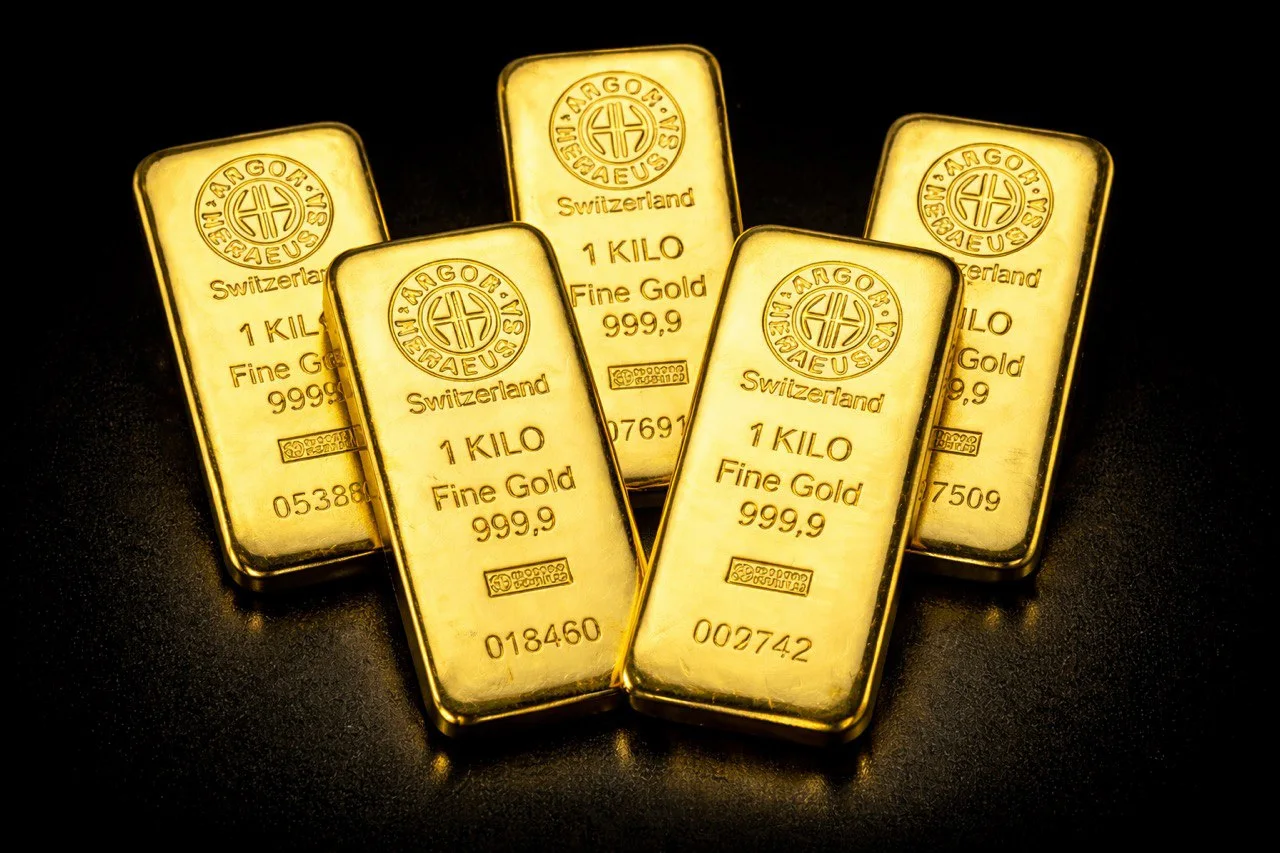
Recognized gold bar brands can improve resale value and liquidity, but the advantage appears through dealer bid quality, secondary-market acceptance, spread width, and verification burden, not through any change in the bar’s intrinsic gold content. A bar from a widely recognized refiner is usually easier to resell, easier for dealers and counterparties to price with confidence, and less likely to face additional discounting, assay, or deeper review before exit. Recognized brands often improve resale liquidity by expanding the pool of willing buyers, reducing hesitation at the bid stage, and helping offers remain closer to efficient market value.
In practice, resale outcomes are shaped by the interaction between refiner recognition, LBMA-linked market acceptance, bar format, provenance, documentation, original packaging, serial identity, and the resale channel itself. Brand usually matters more in 1 kg bars, retail investment bars, cross-border resale, first-time counterparty review, and faster exit scenarios where trust must be built from the bar’s visible commercial identity. The effect is usually smaller in recognized wholesale channels where pricing depends more heavily on fine gold content, standard bar treatment, and existing market infrastructure.
The real distinction is between gold value and resale execution value. Two bars can contain the same weight and purity of gold and still produce different resale results because the market is pricing more than metal alone. It is pricing how easily the bar can be accepted, verified, placed onward, and converted into a firm bid. That is why the biggest resale gap often appears not between two strong recognized refiners, but between recognized bars and generic or less-familiar bars that create more verification, distribution, and buy-back friction.
1. What Resale Value Actually Means for a Gold Bar
Resale value is not the same thing as the gold spot price, and it is not determined by metal content alone. In resale, the market prices not only the fine gold inside the bar, but also the ease with which that bar can be accepted, verified, bid, and placed with the next buyer. That is why two bars with the same weight and purity can produce different resale outcomes even when the underlying gold price is identical.
At the point of exit, a gold bar is evaluated through a practical market lens. A dealer, broker, or professional buyer is not assessing only theoretical bullion value. The buyer is assessing marketability. This includes brand recognition, refiner familiarity, documentary clarity, packaging condition where relevant, serial traceability, and the probability that the bar can be resold again without added friction. Resale value therefore sits at the intersection of gold value, execution quality, and secondary-market confidence.
This distinction matters because many buyers confuse intrinsic value with executable value. Intrinsic value comes from the bar’s gold content and prevailing market price. Executable value comes from the actual bid that a real counterparty is prepared to make. Between those two points sit the factors that create spread, discount, delay, or confidence. Brand enters the equation at exactly this level. It does not change how much gold is in the bar. It changes how comfortably the market treats the bar when the holder wants to sell.
For this reason, resale value should be understood as an outcome shaped by several linked variables:
- spot price of gold;
- dealer bid quality;
- spread between theoretical and executable price;
- refiner recognition;
- documentation and identity continuity;
- verification burden at resale;
- liquidity within the relevant resale channel.
A recognized bar typically carries less resale friction because the next counterparty already understands what the bar is, who produced it, and how readily it can move onward. A less-recognized bar may still be fully genuine and fully valuable as gold, yet attract a weaker bid because the buyer expects more work, more caution, or more uncertainty before onward placement. In that sense, resale value is a market-structure question as much as a pricing question.
This article uses the term resale value in that broader and more useful sense. It refers not only to the theoretical worth of the gold, but to the real price and conditions a holder can achieve when exiting the position. That is the right starting point for evaluating whether gold bar brand matters, because brand rarely changes the bar’s metal value, but it can materially affect resale execution, bid confidence, and the final economic result.
1.1. Spot Value, Dealer Bid, and Real Exit Price
Spot value is the market reference price of gold. Dealer bid is the price a real buyer is prepared to pay for a specific bar. Real exit price is the actual economic result the seller receives after the bar is evaluated in the resale channel being used. These three values are related, but they are not the same.
This distinction is essential because many buyers assume resale value can be estimated by looking only at the live gold price. That assumption is incomplete. A live spot quote describes the underlying metal market. It does not describe how a specific dealer, bullion desk, wholesaler, or secondary-market buyer will price a specific bar at the moment of resale.
A resale transaction usually moves through three layers.
First, there is the spot price, which reflects the underlying market value of gold as a commodity benchmark.
Second, there is the dealer bid, which reflects executable market willingness. This is where market recognition begins to matter. The buyer prices not just gold content, but resale ease, onward marketability, expected verification needs, and confidence in the bar’s commercial identity.
Third, there is the real exit price, which is what remains after all practical resale conditions are absorbed into the quote. This includes the spread to spot, any discount applied for friction or uncertainty, and any effect created by documentation, packaging, bar format, or brand recognition.
That is why a holder can look at a strong gold market and still receive a weaker resale quote than expected. The gap is rarely random. It usually reflects one or more execution factors:
- the dealer’s confidence in the bar’s immediate marketability;
- the likely ease of onward placement;
- the need for additional checks or assay;
- the strength of the bar’s documentation trail;
- the bar’s format and resale channel;
- the brand’s level of market recognition.
Brand enters the pricing chain at the dealer-bid stage. It does not alter the fine gold content of the bar. It affects how close the dealer is willing to bid to the relevant market benchmark. A recognized refiner brand often supports a firmer bid because the bar is easier to identify, easier to explain to the next buyer, and less likely to create operational friction. A less-recognized brand may still contain the same amount of gold, but the bid can widen away from spot because the buyer prices uncertainty into the resale decision.
This is also where the difference between headline value and executable value becomes visible. Headline value is what the seller thinks the bar should be worth based on weight, purity, and gold price. Executable value is what the resale market will actually clear at under current conditions. In physical bullion markets, executable value is what matters.
The relationship can be framed simply:
| Layer | What it represents | What affects it |
|---|---|---|
| Spot value | Underlying gold reference price | Global gold market conditions |
| Dealer bid | Price a real buyer is willing to quote | Brand recognition, liquidity, verification burden, resale confidence |
| Real exit price | Final resale outcome | Spread, documentation quality, channel, speed, friction at execution |
This is the foundation for the rest of the article. Once resale value is understood as an execution result rather than a pure metal number, the role of brand becomes much easier to analyze. The right question is not whether brand changes gold content. The right question is whether brand changes bid quality, spread discipline, and resale speed. In most real secondary-market situations, that is exactly where the difference appears.
In practice, this also explains why a buyer evaluating physical bars should track more than spot price alone. Buyers who care about future resale should understand the relationship between spot, premium, and executable bid conditions, because resale value is shaped by all three rather than by commodity price in isolation. This pricing distinction is also why the relationship between spot and physical market premiums matters when evaluating future exit conditions. See Gold Spot Price vs Premiums for the structural difference between reference price and physical pricing mechanics: https://goldenarkreserve.com/blog/gold-spot-price-vs-premiums/
1.2. Why Two Bars With the Same Gold Content Can Resell Differently
Two gold bars can contain the same fine gold weight, the same stated purity, and the same nominal bullion value, yet still produce different resale outcomes. The reason is straightforward: the resale market does not price gold bars as abstract metal only. It prices gold-in-a-specific-form moving through a specific market channel under specific confidence conditions.
At the commodity level, gold is fungible. At the resale level, a physical bar is assessed as a market object with identity, origin, documentation, and expected onward liquidity. That is where differentiation appears. A buyer in the secondary market is not only asking how much gold the bar contains. The buyer is also asking whether the bar can be accepted quickly, whether its origin is immediately recognizable, whether its commercial history is clean enough for onward placement, and whether any extra verification cost or delay is likely before the next transfer.
This is why intrinsic metal value and resale execution value separate. Intrinsic value comes from weight and purity. Resale execution value depends on how efficiently that value can be converted into a real bid.
Several variables cause that conversion to differ from one bar to another.
Refiner recognition is one of the strongest. A bar produced by a widely recognized refiner is easier for a dealer or wholesaler to price with confidence because the market already understands the hallmark, the expected manufacturing standard, and the likely ease of onward resale. A less-recognized bar may still be genuine and fully valuable as gold, but the buyer may apply more caution because the next sale is less predictable.
Documentation continuity also matters. When a bar is accompanied by clear identity markers such as serial number consistency, original refinery information, and coherent transaction records, the next buyer faces less uncertainty. When documentation is incomplete, inconsistent, or absent, resale confidence weakens even if the metal itself is unaffected.
Packaging and physical presentation can influence smaller-bar resale more than many buyers expect. In retail and sub-wholesale channels, intact original packaging and visible refinery identity can support faster acceptance because the bar presents as a cleaner commercial object. Once packaging is broken or the bar enters a less standardized resale context, the buyer may price in extra review risk.
Bar format changes the way the market treats the same gold content. A 1 kg investment bar and a large wholesale bar do not move through the same resale logic. Smaller bars often pass through dealer networks where brand familiarity and packaging carry more weight. Large professional bars in recognized channels may be priced more directly on market standard and fine gold content, especially when the bars already sit inside established wholesale infrastructure.
Resale channel changes the economics again. A bar offered to a major bullion desk, a local dealer, a new international buyer, or a private secondary-market participant can receive materially different bids because each channel prices trust, friction, and onward placement differently. The same bar may look highly liquid in one channel and mildly inconvenient in another.
Verification burden is another decisive variable. When a buyer expects no extra work, the bar tends to trade closer to strong market levels. When the buyer anticipates additional assay, deeper compliance review, or more time spent confirming origin and acceptability, the bid often moves lower. The discount is not necessarily a statement that the bar is bad. It is often a pricing response to operational inconvenience.
This explains why the statement “gold is gold” is only partially useful. It is true at the level of metal content. It is incomplete at the level of resale. In a real exit scenario, the market does not buy weight and purity in isolation. The market buys a specific bar with a specific resale profile.
The difference can be understood through a simple comparison:
| Factor | Bar A | Bar B |
|---|---|---|
| Fine gold content | Same | Same |
| Purity | Same | Same |
| Refiner recognition | High | Lower |
| Documentation continuity | Clear | Less complete |
| Expected resale friction | Lower | Higher |
| Dealer confidence | Stronger | More cautious |
| Likely resale spread | Tighter | Wider |
This is the practical foundation of the brand question. Brand does not create more gold inside the bar. Brand can create a stronger resale profile around the bar. When that happens, the holder does not benefit through higher intrinsic bullion value. The holder benefits through cleaner acceptance, better bid quality, lower friction, and a greater probability of exiting closer to efficient market levels.
That distinction is what makes resale value a market-structure issue rather than a purity-only issue.
2. How Brand Changes Resale Mechanics
Brand affects resale mechanics by changing how easily a bar can move from one holder to the next within the secondary market. The effect does not begin at the level of gold content. It begins at the level of market trust, commercial recognition, and execution efficiency. A recognized brand reduces uncertainty for the next buyer. A less-recognized brand may still be fully valid bullion, but it often introduces more questions before the bid is formed.
This matters because resale is rarely a pure melt-value exercise. In most real transactions, the buyer is deciding not only whether the bar contains the stated gold, but whether the bar can be accepted, priced, documented, and resold onward with minimal friction. Brand enters the process as a signal that helps the market answer those questions faster. The stronger that signal, the easier it becomes for a dealer, broker, or professional buyer to quote with confidence.
The resale impact of brand usually appears through four linked mechanisms.
First, brand affects recognition speed. When a refiner name is already familiar to dealers and market participants, the bar is easier to classify immediately. Familiarity reduces hesitation. The buyer does not need to spend the same amount of time interpreting origin, expected standards, or marketability.
Second, brand affects bid confidence. A recognized refiner often makes it easier for the next buyer to believe the bar can be moved onward without difficulty. That confidence can support a firmer offer and a cleaner resale process. A weaker or less familiar brand may not destroy the bar’s value, but it can make the buyer more defensive when setting the bid.
Third, brand affects verification burden. If a bar is widely recognized, clearly marked, and commercially familiar, the resale process may require fewer practical checks before the buyer is comfortable proceeding. If the bar is less familiar, the buyer may price in additional review, slower approval, or greater dependence on supporting documents. The brand effect therefore appears not as a theoretical premium, but as a reduction in execution friction.
Fourth, brand affects secondary-market liquidity. A bar that can be placed with many potential buyers is more liquid than a bar that only a narrow group of counterparties wants to handle. Liquidity does not depend on brand alone, but brand can materially widen or narrow the pool of willing buyers. The broader that pool, the stronger the resale conditions tend to be.
This is why brand matters even when weight and purity are identical. At resale, the market is not evaluating gold in a vacuum. The market is evaluating the expected ease of converting a physical bar into an executable transaction. Brand changes that conversion process because it changes how the bar is perceived inside the trading chain.
The effect is usually strongest where bars circulate through dealer networks, private resale channels, cross-border transactions, or new counterparty relationships. In those environments, recognition and confidence matter more because the next buyer may not have an existing familiarity with the bar’s history. A recognized refiner brand helps bridge that gap. It gives the bar a stronger commercial identity at the exact moment identity becomes operationally important.
Brand therefore influences resale mechanics in a practical sequence:
- it affects recognition;
- recognition affects confidence;
- confidence affects bid quality;
- bid quality affects spread;
- spread affects the real exit result.
That sequence explains why the resale effect of brand is often visible even when no one claims that the bar contains better gold. The issue is rarely intrinsic bullion quality. The issue is how smoothly the market can absorb the bar when it re-enters circulation.
The rest of the article breaks this process down in the contexts where it matters most: dealer behavior, liquidity, spread formation, verification burden, recognized refiners, and the difference between retail investment bars and bars already moving inside professional wholesale channels.
2.1. Dealer Recognition and Immediate Buy-Back Confidence
Dealer recognition is one of the clearest channels through which brand affects resale value. When a dealer immediately recognizes the refiner, hallmark, and commercial profile of a gold bar, the resale conversation starts from confidence rather than from doubt. That confidence does not guarantee the highest possible price in every case, but it usually improves the quality of the bid and reduces the need for defensive discounting.
In practical resale markets, dealers do not treat every bar as a neutral unit of metal. Dealers price what they can recognize, verify, and place onward with predictable effort. A recognized bar brand gives the dealer an immediate frame of reference. The dealer already knows how the bar is likely to be perceived by the next buyer, whether the hallmark is market-familiar, whether the brand is commonly traded in that channel, and whether the bar can be reoffered without extended explanation. That is why recognition often translates into stronger buy-back confidence.
Immediate buy-back confidence matters because most resale decisions are made under time, liquidity, and operational constraints. A dealer quoting on a familiar refiner brand can usually move faster from inspection to pricing. The dealer does not need to spend the same amount of effort assessing marketability. The bar already fits a known category. That speed has value. In many cases, it supports a firmer bid because the dealer expects lower resale friction after acquisition.
The opposite case is also important. A bar from a less-recognized producer may still be genuine, properly marked, and fully valuable as gold. Yet the dealer may hesitate because recognition is weaker. The dealer now has to ask more questions. How easy will this bar be to sell onward. Will another buyer accept the hallmark without further verification. Is the brand known in this region. Will the bar need more documentary support or additional review before it can be comfortably rebid. Even when the bar passes all checks, that extra hesitation often appears in the quote as a wider spread or a lower initial bid.
This is why dealer recognition should be understood as an economic variable rather than a branding abstraction. The resale market does not reward familiarity for symbolic reasons. It rewards familiarity because familiarity lowers transaction effort. A recognized refiner brand reduces commercial uncertainty. Reduced uncertainty supports stronger executable pricing.
Buy-back confidence is especially important in three real situations.
First, it matters in dealer-led resale channels, where local bullion buyers, trading desks, or wholesale intermediaries must decide quickly whether they want the bar on their book. In these environments, recognized brands often attract cleaner bids because the dealer expects fewer obstacles after acquisition.
Second, it matters in new counterparty situations. When the bar is offered to a buyer who has no prior relationship with the seller, confidence has to come from the bar itself and from its market identity. A familiar brand helps the bar stand on its own. A less familiar one may require more explanation before pricing becomes efficient.
Third, it matters in immediate liquidity scenarios. If the holder wants fast execution rather than extended price discovery, recognized brands usually perform better because the dealer can move from evaluation to commitment with less internal hesitation.
The effect can be framed through a simple comparison.
| Dealer question at resale | Recognized brand | Less-recognized brand |
|---|---|---|
| Is the refiner familiar to the market? | Usually yes | Not always |
| Can the dealer quote quickly? | More likely | Less likely |
| Is onward placement predictable? | More likely | More uncertain |
| Is extra explanation required? | Usually less | Often more |
| Is defensive discounting more likely? | Usually less | Often more |
Dealer recognition also interacts with geography. A brand that is highly recognizable in one market may be only moderately familiar in another. This means that buy-back confidence is not shaped by brand alone, but by brand inside a specific resale venue. Recognition is strongest where the refiner already has market familiarity, trading history, and buyer acceptance. That is why a bar can perform differently across jurisdictions even when its gold content is identical.
Another important point is that dealer recognition is not limited to famous retail names. In some channels, recognition comes from association with established refining standards, accepted commercial history, or integration into known bullion flows. In those cases, the dealer’s confidence comes not from consumer branding, but from institutional familiarity. The mechanism is the same: easier recognition supports cleaner pricing.
This is also the point where many buyers misunderstand the difference between authenticity and bid strength. A dealer may fully believe that a bar is real and still bid conservatively if the brand creates extra onward uncertainty. Authenticity answers one question. Market recognition answers another. Resale value depends on both, but the second often explains why one bar attracts a better buy-back response than another.
For resale, the most important practical insight is simple. A strong brand does not change the bar’s metal content. It changes how much hesitation stands between the bar and a confident dealer bid. In real secondary markets, that difference often matters more than buyers expect.
2.2. Why Recognized Refiners Usually Face Less Resale Friction
Recognized refiners usually face less resale friction because the market does less work before it becomes comfortable bidding on their bars. Friction in bullion resale does not appear only when a problem exists. Friction also appears when the next buyer has to pause, confirm, interpret, or defend the decision to purchase. A recognized refiner reduces that pause.
In physical gold markets, resale friction is the accumulation of small barriers that weaken execution quality. Those barriers can include slower internal approval, extra documentary review, more cautious pricing, tighter buy-back conditions, narrower buyer pools, or a greater likelihood that the bar will be passed to a different counterparty before a firm bid is made. None of these barriers necessarily mean the bar is defective. They mean the bar is less operationally convenient to absorb into the next stage of the market.
That is where recognized refiners hold an advantage. A recognized refiner gives the next buyer a stronger starting assumption of market familiarity. The hallmark is easier to place. The brand is easier to explain internally. The expected standards of production, markings, and distribution are easier to understand. The buyer therefore faces a lower burden of interpretation before deciding whether the bar can be accepted and resold onward.
This matters because resale markets are not built only on bullion purity. They are built on speed of confidence formation. The faster a counterparty can move from identification to acceptance, the lower the friction. A recognized refiner compresses that transition.
The advantage tends to appear through several practical channels.
Commercial familiarity is the first. When a refiner already sits inside the market memory of dealers, brokers, and bullion buyers, the bar enters the resale conversation with less resistance. The buyer has likely seen the brand before, understands how the market usually treats it, and can estimate onward liquidity without building the analysis from zero.
Process simplicity is another. A bar from a recognized refiner is often easier to route through internal review because fewer people inside the buying organization need explanation. The compliance team, trading desk, or inventory buyer may already understand the refiner’s market standing. That does not eliminate all checks, but it lowers the practical effort attached to them.
Onward placement confidence is often the decisive point. A buyer in the secondary market is almost never assessing the bar for its own sake alone. The buyer is assessing whether the bar can be sold again. Recognized refiners support this judgment because they increase confidence that the next buyer will react with the same familiarity. That expectation narrows friction across the whole resale chain.
Discount pressure also tends to decrease when friction decreases. Buyers apply wider discounts when they expect slower turnover, extra verification work, uncertain demand, or limited exit options. A recognized refiner can reduce those concerns, which often supports a firmer resale bid even without creating any change in the bar’s intrinsic metal value.
This is why recognized refiners matter most in markets where the bar must move efficiently across multiple commercial hands. The refiner name acts as a market-usable identity signal. It is not merely a label. It is a shorthand for probable acceptance, lower interpretive effort, and smoother onward circulation.
Resale friction usually increases when one or more of the following conditions apply:
- the refiner is unfamiliar to the buyer;
- the hallmark is not widely recognized in that market;
- the buyer is unsure how easily the bar can be resold onward;
- internal review requires more explanation than normal;
- the bar sits outside the buyer’s preferred distribution and recognition network.
Recognized refiners tend to weaken each of those friction points. That is why they often support better resale conditions.
The effect is especially visible when a bar is offered into a new market, a new dealer relationship, or a time-sensitive exit. In those situations, the holder benefits from any factor that reduces hesitation. A recognized refiner does exactly that. It shortens the distance between presentation of the bar and confidence in the bar’s resale usability.
This does not mean every recognized refiner automatically commands the same bid in every jurisdiction. Recognition is still contextual. Some refiners are stronger in certain dealer networks, regional markets, or buyer types than in others. But the general principle remains stable: the more familiar and broadly accepted the refiner, the less resale friction the market usually applies.
This is also the practical bridge between brand and liquidity. A recognized refiner does not just look better on paper. The refiner name can make the bar easier to evaluate, easier to approve, easier to hold, and easier to sell again. That chain of reduced effort is what resale friction really measures.
2.3. How Brand Affects Spread, Not Just Headline Value
Brand often affects resale through the spread, not through the headline gold value visible on a price screen. This distinction is central to the resale question because many buyers compare only weight, purity, and live gold price, then assume resale should follow automatically from those variables. In practice, resale value is shaped by the gap between reference market value and executable bid. That gap is where brand begins to matter.
A gold bar does not enter the secondary market as abstract bullion alone. It enters as a specific bar with a specific refiner identity, recognition profile, documentation path, and expected level of onward liquidity. A buyer setting a resale bid is therefore not responding only to gold content. The buyer is also pricing how easily that bar can be accepted, justified internally, held, and resold again. When the bar comes from a recognized refiner, the buyer usually faces less uncertainty at each of those points. Lower uncertainty supports a firmer bid. A firmer bid usually means a tighter spread.
This is the practical mechanism behind brand-related resale differences. A recognized brand does not usually create more intrinsic value inside the bar. It helps protect more of that value from being lost through defensive discounting. A less-recognized brand may contain the same amount of fine gold and still produce a weaker resale result because the buyer widens the quote to absorb operational caution. That caution may reflect expected friction in onward placement, internal review burden, lower market familiarity, or a higher chance that additional verification will be needed before the bar can move again.
For that reason, the resale effect of brand is often visible not as a dramatic premium, but as less price leakage on exit. The seller may not receive a visibly higher “gold price” in absolute terms. Instead, the seller may receive a quote that sits closer to efficient market value because the bar generates fewer objections inside the resale chain. That difference can be economically meaningful, especially when the holder values speed, flexibility, or resale across multiple venues.
This is also why a strong brand can matter even when the purchase premium is higher. The relevant question is not whether a recognized bar always commands a visibly superior resale price. The more precise question is whether the recognized bar helps preserve more value by reducing spread pressure at exit. In many secondary-market situations, that is exactly what happens. The gain appears through cleaner execution, stronger dealer confidence, and smaller discounts between theoretical value and real bid.
The relationship can be stated simply:
- spot price defines the reference value of gold;
- the dealer bid defines what a real buyer is prepared to pay;
- the spread defines how much value is lost between those two points;
- brand can influence that spread by changing confidence, liquidity, and verification burden.
This is the point where brand, liquidity, and market structure connect. Buyers searching for whether gold bar brand affects resale value are usually asking whether a recognized bar sells faster, sells closer to spot, or attracts a cleaner bid. In most cases, the answer appears through spread behavior rather than through a change in bullion content. Brand matters because it can narrow the distance between headline market value and actual resale execution value.
3. Where Brand Matters Most
Brand does not influence every resale situation with the same intensity. Its effect becomes strongest where the next buyer must form confidence quickly, where the bar is moving outside a deeply standardized wholesale channel, or where the resale process depends on recognition rather than on simple commodity treatment. In those settings, brand acts as a market shortcut. It reduces the amount of interpretation the next counterparty must perform before quoting, accepting, or placing the bar onward.
This is why the resale impact of brand is usually most visible in retail investment bars, 1 kg bars, cross-border resale, dealer-led exits, and new counterparty situations. In these parts of the market, the buyer often relies on refiner familiarity, packaging continuity, serial identity, and recognized commercial provenance as practical signals that support faster acceptance. A strong brand can therefore improve not only bid quality, but also resale speed, buyer comfort, and the probability of clean execution without extra discounting.
By contrast, brand tends to matter less when the bar already sits inside a professional wholesale environment governed by established standards, recognized custody chains, or long-standing bullion relationships. In those channels, the market may focus more directly on fine gold content, standard bar format, and existing chain of integrity. The role of brand does not disappear, but it can become less dominant because the surrounding infrastructure already supplies part of the confidence that retail and semi-wholesale channels must derive from the bar itself.
The practical question, then, is not whether brand always matters in the same way. The real question is where the resale channel places the burden of confidence. When confidence must be built from the bar’s visible commercial identity, brand matters more. When confidence already exists in the surrounding market structure, brand may matter less.
This section focuses on the scenarios where brand creates the clearest resale advantage:
- bars sold into dealer or investor channels rather than deep wholesale pipelines;
- transactions involving smaller or mid-sized investment formats;
- cross-border resale where the next buyer relies on recognized refinery signals;
- fast exit situations where additional verification becomes expensive in time and price;
- resale to new counterparties with no prior transaction history.
Understanding these high-impact situations is essential because they explain why some buyers experience brand as economically meaningful while others see little visible difference. The difference usually comes from market context, not from a contradiction in the underlying gold value.
3.1. Retail Investment Bars and 1 kg Bars
Brand tends to matter most in the resale of retail investment bars and 1 kg bars because these formats usually move through markets where confidence is built from visible identity rather than from deep wholesale infrastructure. In this segment, the next buyer does not evaluate only fine gold content. The next buyer also evaluates the refiner name, the bar’s recognizability in dealer networks, the clarity of its markings, the continuity of its documentation, and how easily the bar can be placed onward without added friction.
The 1 kg bar sits in a particularly important position. It is large enough for spread quality and resale conditions to matter economically, but small enough to circulate outside the narrowest institutional wholesale channels. That means the bar often has to carry more of its own commercial credibility. In practice, a recognized refiner brand makes the bar easier to classify, easier to quote, and easier to resell. A less-recognized refiner may still produce a fully genuine bar with full gold value, but the resale path often becomes less efficient because the next buyer expects more work before the bar can be accepted with confidence.
This is where origin and provenance begin to matter in a practical resale sense. In investor and 1 kg channels, buyers often look not only at who refined the bar, but also at whether the bar presents a coherent commercial identity. That includes the refinery hallmark, serial number, assay card where relevant, original packaging where relevant, and any documentary continuity that helps the buyer connect the bar to a recognizable production source and prior chain of handling. A recognized brand strengthens that provenance profile because the origin of the bar is easier for the market to interpret. A less-recognized brand may leave more room for hesitation, even when the bar itself is valid bullion.
The resale effect appears through several linked mechanisms. A recognized investment bar is more likely to receive a faster quote because the dealer already understands the refiner and expects easier onward placement. The spread is often tighter because the buyer does not need to build as much protection into the bid. The buyer pool is often broader because more counterparties are comfortable holding or reoffering the bar. Documentation and original presentation also tend to matter more in this segment because these bars are frequently resold through channels where visual and documentary continuity support immediate trust.
Retail investment bars show this pattern even more clearly. In smaller-format bullion markets, brand often functions as a practical filter. A recognized refiner signals that the bar belongs to a known commercial category. That helps the next buyer estimate liquidity quickly. The bar becomes easier to compare, easier to inventory, and easier to sell again. A less-recognized bar may still be saleable, but it may move through a smaller buyer universe and attract a more cautious bid because the next holder is less certain how the bar will perform at the next resale step.
The importance of provenance is also higher in these formats because the bar is often assessed more directly as a finished product rather than only as raw gold content. In deep wholesale channels, surrounding infrastructure may already provide a large part of the required confidence. In 1 kg and retail resale, the bar itself often has to supply that confidence through recognizable origin, consistent markings, and cleaner documentation. That is why brand and provenance work together. Brand provides market familiarity. Provenance provides continuity. Together they reduce doubt at the point of exit.
This is also where many buyers misjudge the economics of entry versus exit. At purchase, it is easy to focus on upfront premium and assume that any bar with the same purity is economically equivalent. At resale, the market often proves otherwise. In the 1 kg and retail segment, the difference between bars is not usually the amount of gold inside. The difference is how much resistance appears between the holder and a firm bid. Recognized origin, clearer provenance, and stronger brand familiarity usually reduce that resistance.
For that reason, brand matters more in retail investment bars and 1 kg bars than in many large-scale wholesale contexts. These formats rely more heavily on dealer recognition, provenance clarity, packaging and serial continuity, and buyer confidence at the point of resale. That makes brand a real resale variable rather than a cosmetic preference.
3.2. Cross-Border Resale and New Counterparty Review
Brand matters strongly in cross-border resale because the bar is no longer being evaluated only inside one familiar local market. It is being presented to a buyer, dealer, or intermediary who may not know the seller, may not know the prior transaction history, and may not be willing to rely on informal assurances. In that environment, the bar must carry more of its own credibility. The more recognizable the refiner, the easier it becomes for the next counterparty to form confidence without extending the review process.
This is where brand and provenance become operational rather than merely descriptive. In a cross-border resale, the next buyer is usually assessing several layers at once:
- who refined the bar;
- whether the refiner is recognizable in that market;
- whether the markings and serial identity are commercially legible;
- whether the documentation supports a clean chain of origin and handling;
- whether the bar can be resold onward in that jurisdiction without unusual friction.
A recognized bar gives the new counterparty a stronger starting point on all of those questions. The buyer may still perform normal review, but the review begins from familiarity. A less-recognized bar often begins from uncertainty. That does not mean rejection is inevitable. It means the counterparty has more work to do before pricing becomes confident.
Cross-border resale amplifies this issue because local recognition is not universal. A refiner that is widely accepted in one region may be only moderately familiar in another. When a bar crosses jurisdictions, the next buyer often asks whether the bar’s commercial identity translates cleanly into that new market. If the answer is yes, resale tends to move more smoothly. If the answer is unclear, the counterparty may widen the spread, request more documentary support, or limit the bid until confidence improves.
New counterparty review creates the same pressure even without an actual border crossing. Whenever the bar is offered to a buyer with no prior transaction history with the seller, the bar has to stand on its own. The counterparty cannot rely on relationship trust. The counterparty therefore leans more heavily on objective signals: recognized refiner name, visible bar identity, documentation consistency, and market familiarity. In that setting, brand becomes one of the fastest trust-forming signals available.
This is also where provenance carries direct economic value. A bar with clear and coherent provenance is easier to place with a new counterparty because the buyer can connect the metal to a recognizable production source and a more intelligible commercial history. Provenance in this context is not an abstract narrative. It is the practical continuity created by refinery identity, serial number, documentary support, packaging or assay materials where relevant, and an overall presentation that reduces ambiguity. When those elements align around a recognized brand, the review process usually becomes shorter and more commercially efficient.
The opposite case is where brand becomes costly in a hidden way. A less-recognized bar may still contain the same fine gold content and still be fully genuine, but a new cross-border buyer may price the bar more cautiously because the resale path is less obvious. The buyer may wonder whether the next jurisdiction will accept the brand comfortably, whether an onward purchaser will request more verification, or whether additional handling will be needed before the bar can be placed again. That uncertainty often appears not as outright rejection, but as softer pricing, slower approval, or a narrower willingness to commit.
This matters most when the seller values optionality. A bar that resells well only in one narrow local channel is economically different from a bar that can move across jurisdictions and counterparties with less resistance. In cross-border contexts, brand therefore affects more than immediate resale price. It affects portability of trust. A recognized brand carries market meaning into the next jurisdiction more easily. That makes the bar more transferable in practical commercial terms.
The same logic applies when compliance review becomes more formal. A new counterparty may need to understand not only the metal itself, but also how comfortably the bar fits within its internal acceptance framework. Recognized origin helps here because it reduces the interpretive burden. The bar’s identity is easier to map into the counterparty’s own risk, sourcing, and resale expectations. A less-recognized origin may still be acceptable, but it often requires more explanation before the same comfort level is reached.
This is why brand matters disproportionately in cross-border and first-time-counterparty resale. In those situations, the bar cannot rely on local familiarity or relationship history. It must rely on market-recognizable identity. A recognized refiner brand, supported by coherent provenance, helps the bar travel across commercial environments with less friction. That is a real resale advantage, and it appears precisely where resale confidence must be built from the bar itself rather than inherited from the surrounding relationship.
3.3. Fast Exit Scenarios Where Assay Risk Becomes Expensive
Brand becomes especially important when the holder does not have the luxury of a slow resale process. In a fast exit scenario, the market does not price the bar only on bullion value. The market also prices time risk, verification risk, and operational interruption. That is why assay risk becomes expensive precisely when speed matters most.
A fast exit can arise for different reasons. The seller may need immediate liquidity. A treasury desk may need to reallocate capital quickly. A dealer may need to flatten exposure without delay. A cross-border holder may need to place the bar into a new market on a compressed timeline. In each of these situations, the next buyer is forced to make a decision under time pressure. When time pressure increases, tolerance for uncertainty falls. Brand then becomes one of the fastest ways for a buyer to reduce uncertainty without extending the process.
This is where assay risk changes from a technical issue into an economic one. If a buyer believes that a bar may require additional testing, deeper inspection, or a slower approval chain before it can be comfortably accepted, the cost does not appear only in laboratory fees or handling effort. The cost appears in the quote. A buyer facing potential assay friction usually protects against that uncertainty by lowering the bid, widening the spread, or delaying commitment until the bar is reviewed more deeply.
A recognized refiner brand helps because it lowers the probability that the transaction will stop at that point. The buyer is more likely to believe that the bar can move forward through standard acceptance logic without exceptional handling. That does not eliminate all verification in every case, but it reduces the chance that the bar will be treated as a special case. In a time-sensitive resale, avoiding special-case treatment has direct monetary value.
The economic effect becomes clearer when the seller’s objective is not simply “best price eventually,” but clean execution now. In that setting, even a moderate pause in the process can become expensive. If the buyer cannot quote firmly until additional checks are completed, the seller loses optionality. The bar is no longer being priced only against gold value. It is being priced against urgency. The more urgent the exit, the more heavily the market discounts anything that could slow acceptance.
This is why brand and assay risk often interact through four practical channels:
- a recognized brand reduces the chance that extra testing becomes the default response;
- a familiar refiner identity helps the buyer move faster from inspection to bid;
- a lower probability of verification delay supports a firmer executable price;
- a faster path to acceptance protects the seller from time-driven discounting.
The opposite case is where the hidden cost becomes visible. A less-recognized bar may still be genuine and fully valuable as gold, yet the buyer may assume that additional assay or deeper review could become necessary before onward placement. Once that assumption enters the transaction, the quote often weakens immediately. The buyer is no longer pricing only the bar. The buyer is pricing the risk of interruption between acquisition and resale.
This effect is strongest in channels where the next buyer must protect execution speed. Dealers, trading desks, intermediaries, and professional buyers often prefer bars that can be accepted and reoffered without creating a bottleneck. If the brand makes that path cleaner, the resale result improves. If the brand increases the perceived probability of assay friction, the bar may become economically less attractive even when its intrinsic bullion value is unchanged.
Fast exit scenarios therefore reveal something important about brand. In calm market conditions with flexible timing, a seller may tolerate slower review or wider buyer hesitation. Under time pressure, that tolerance disappears. The market begins to reward bars that are easiest to move immediately and penalize bars that may trigger additional work. In that context, recognized brand is not a cosmetic advantage. It is a mechanism for preserving speed-adjusted resale value.
This is also one of the clearest points at which brand, provenance, and documentation converge. A recognized refiner name, coherent bar identity, serial continuity, and clear supporting records all help reduce the probability that the bar will fall into a slower verification track. When the resale objective is immediate execution, avoiding that slower track can matter as much as the quoted spread itself.
For holders who expect that future resale may need to happen quickly, this distinction is critical. The real question is not whether a less-recognized bar can eventually be sold. In many cases it can. The more important question is whether it can be sold quickly, confidently, and without assay-related price erosion. That is where recognized brands often hold a measurable advantage.
4. Why Some Brands Resell Faster Than Others
Some gold bar brands resell faster than others because speed in the secondary market is driven by recognition, transferability of trust, and ease of onward placement, not by gold content alone. When a bar enters a resale channel, the next buyer is making a commercial judgment under practical constraints. The buyer wants to know whether the bar can be accepted quickly, understood immediately, documented cleanly, and moved onward without delay. Brands that satisfy those questions with less effort usually resell faster.
This speed advantage is not a marketing effect in the consumer sense. It is a market-structure effect. A recognized bar moves faster because fewer interpretive steps stand between the bar and a confident bid. The refiner is familiar. The hallmark is familiar. The expected market treatment of the bar is already known. The buyer does not need to build a new decision framework from zero. That reduction in decision effort is what often makes resale faster.
Fast resale depends on how quickly a bar can pass through the buyer’s internal acceptance logic. A bar associated with a recognized refiner usually enters that logic with fewer obstacles. The buyer is more likely to understand the origin of the metal, the expected quality of the refinery markings, the likely acceptability of the bar in the next channel, and the probable resale options after acquisition. Each of those elements reduces hesitation. Less hesitation usually means a faster path from presentation to quote.
This is why speed in resale is closely tied to commercial legibility. A bar that is easy for the market to read will usually move more efficiently than a bar that requires explanation. Commercial legibility includes several interlocking elements:
- a refiner name already familiar to dealers and bullion buyers;
- a hallmark that signals known production origin;
- a bar format commonly traded in the relevant market;
- serial identity and documentation that support continuity;
- provenance that does not create avoidable ambiguity;
- a resale profile that fits existing dealer and buyer expectations.
When those elements align, the bar becomes easier to process. The buyer does not need to stop and ask whether the bar is theoretically valuable. The buyer can move directly to the more important question: how quickly can this be converted into a dependable resale opportunity after acquisition. That is why some brands consistently perform better on speed even when their bars contain the same quantity and purity of gold as others.
The speed difference often becomes visible in channels where inventory turnover matters. Dealers, intermediaries, and active bullion participants usually prefer bars that are easy to recognize and easy to explain to the next buyer. A recognized brand reduces inventory friction because the holder expects that the bar can leave inventory again with limited resistance. A less-recognized brand increases the chance that the bar will sit longer, require more explanation, or face a narrower audience. That does not necessarily eliminate value, but it slows circulation.
Speed is also shaped by the buyer’s expectation of the next resale step. Secondary-market buyers rarely think only about acquisition. They think about re-saleability after acquisition. Some brands resell faster because the market already expects them to remain legible across multiple hands. The bar is not only easy to buy. It is easy to buy because it is expected to be easy to sell again. That recursive confidence is one of the most powerful advantages a recognized brand can have.
Another reason certain brands resell faster is that they carry less internal review burden. Inside many buying organizations, especially professional or semi-professional ones, the transaction does not end with visual inspection. The bar may pass through compliance review, inventory acceptance logic, or internal pricing controls. A recognized brand usually creates fewer internal questions. The refiner identity is easier to defend, easier to classify, and easier to approve. A less-recognized brand may still pass, but the approval path is often less immediate.
This speed advantage becomes especially important in markets where time itself has economic value. A bar that can be sold faster gives the holder more flexibility, more certainty, and often better real execution. Speed reduces exposure to adverse timing, lowers the probability of extra verification friction, and helps preserve dealer competition because more buyers are willing to engage immediately. In that sense, faster resale is not merely a convenience. It is part of value preservation.
The underlying mechanism can be stated clearly. Some brands resell faster because they are associated with a stronger combination of:
- market familiarity;
- buyer confidence;
- recognized provenance;
- lower expected friction;
- broader onward acceptability.
That combination shortens the distance between presentation of the bar and a firm resale decision. A slower-moving brand does not necessarily fail on authenticity or bullion quality. It simply asks the market to do more work before confidence forms. In real resale environments, that extra work is exactly what slows execution.
This is also where the discussion connects to the broader question of resale value. Faster resale does not automatically mean a dramatic price premium. What it usually means is that the bar can move through the market with less resistance, less delay, and less value leakage. For many holders, especially those who value optionality, that combination is more important than a theoretical claim about brand prestige. A brand that resells faster is often a brand that preserves more practical market value because it travels through the resale chain more efficiently.
4.1. Refiner Reputation, Market Familiarity, and Acceptance
Refiner reputation is one of the main reasons some gold bar brands resell faster than others. In resale, the market does not respond only to the bar as a piece of metal. The market responds to the bar as a recognized commercial object with a known production source, expected quality standard, and predictable level of acceptance in dealer and buyer networks. A refiner with strong market familiarity reduces uncertainty before the bid is formed. That reduction in uncertainty is what improves acceptance speed.
Reputation matters because resale is an exercise in confidence transfer. The current holder wants to transfer the bar to the next buyer. The next buyer wants confidence not only in the gold itself, but also in the ease of placing that bar onward again. A recognized refiner makes that confidence easier to build. The market already has a working memory of the name, hallmark, and expected product quality associated with the bar. That familiarity lowers the need for interpretation and speeds up acceptance.
Market familiarity is the practical side of reputation. A refiner may be respected in principle, but the resale advantage becomes real only when buyers in the relevant channel actually know the brand and know how that brand performs in secondary trading. Familiarity helps at several levels:
- the buyer immediately understands the hallmark;
- the bar fits an already known category in dealer logic;
- the expected resale path is easier to estimate;
- the next buyer is more likely to recognize the brand as well;
- the bar requires less commercial explanation before pricing begins.
This is why reputation should not be treated as a vague prestige factor. In bullion resale, reputation has value only when it produces faster recognition and broader acceptance. A respected refiner that the market knows well is easier to trade because the brand already carries practical meaning. The buyer is not starting from zero.
Acceptance is where that meaning turns into economics. A bar is accepted more easily when the buyer believes three things at once:
- the bar is commercially familiar;
- the bar is likely to be accepted by the next market participant;
- the bar will not create unusual friction inside normal resale channels.
When those conditions are met, the bar moves faster and often at better execution quality. The market does not need to “like” the brand in a symbolic sense. It simply needs to trust that the brand will not become an obstacle in the next transaction step.
Refiner reputation also shapes how much internal resistance a bar faces. Dealers, intermediaries, bullion desks, and professional buyers often apply internal filters when deciding what they are willing to hold or bid on. A recognized refiner makes that decision easier because the bar already sits inside a familiar commercial frame. The refiner name is easier to defend internally, easier to place on inventory, and easier to reoffer. A less familiar refiner may still be acceptable, but the internal decision path is slower because more explanation is required before the same level of comfort is reached.
This is especially important in resale channels where speed matters. A buyer working under time pressure will prefer bars that can move through recognition and acceptance with minimal hesitation. Refiner reputation helps because it compresses that hesitation. The bar arrives with a usable market identity already attached to it.
The relationship between reputation, familiarity, and acceptance is also cumulative. A refiner becomes easier to resell not simply because it is well regarded in the abstract, but because its bars have already circulated widely enough to create repeated market recognition. Repeated recognition becomes repeated acceptance. Repeated acceptance becomes stronger liquidity. Stronger liquidity then reinforces the brand’s resale profile. This is one of the ways in which certain refiners become self-reinforcing in secondary markets.
Another important point is that acceptance is always contextual. A refiner can be highly familiar in one region, one dealer network, or one buyer segment and less familiar in another. That means reputation alone is not enough. The relevant question is whether the refiner is recognized in the actual resale channel that matters for the holder. When reputation and channel familiarity align, resale conditions tend to improve. When they do not align, the brand advantage weakens.
This is why the phrase “recognized brand” should be understood carefully. It does not simply mean a brand that is famous. It means a brand that the relevant market knows how to handle. In resale terms, that is much more important. Fame without acceptance is weak. Familiarity with strong acceptance is what supports real execution advantage.
For resale, the practical conclusion is clear. Refiner reputation matters because it helps convert the bar from a piece of bullion into a commercially intelligible asset that the next buyer can accept with less effort. Market familiarity matters because it shortens the path from presentation to pricing. Acceptance matters because it determines whether the bar moves cleanly through the secondary market or encounters friction. When all three align, resale becomes faster, smoother, and more predictable.
4.2. LBMA-Linked Recognition as a Liquidity Signal
LBMA-linked recognition matters in resale because it functions as a market signal that the bar originates from a refinery already legible to professional bullion channels. In this context, the value of LBMA-linked recognition is not symbolic. It is practical. It helps the next buyer form confidence more quickly about origin, expected market treatment, and onward acceptability.
The key point is that resale liquidity is not created by brand reputation alone. It is strengthened when the bar’s refinery identity fits into an existing recognition framework already understood by dealers, intermediaries, and bullion participants. The closer a bar sits to that recognized framework, the easier it usually becomes to quote, accept, and reoffer. That is why LBMA-linked recognition often acts as a liquidity signal rather than merely a technical reference.
This effect appears most clearly in the professional market’s treatment of refinery identity. A refiner associated with the LBMA Good Delivery environment is easier for many buyers to place within a known commercial map. The buyer already understands that the refinery belongs to a recognized bullion standard ecosystem, which reduces the amount of interpretation required before the bar can be treated as market-familiar inventory. The resale advantage comes from that reduction in interpretive effort.
Liquidity improves when the next buyer can make three judgments quickly:
- the origin of the bar is commercially recognizable;
- the bar is likely to be accepted again by another serious buyer;
- the probability of unusual resale friction is lower.
LBMA-linked recognition strengthens all three judgments. It does not eliminate normal review, but it helps the market treat the bar as part of an already understood bullion universe rather than as an uncertain standalone product.
This matters because physical gold resale is heavily influenced by expected onward mobility. A buyer setting a bid is always asking an implicit follow-up question: how easily can this bar move again after I acquire it. If the refinery identity connects cleanly to a recognized wholesale standard environment, the answer is usually more positive. That strengthens liquidity even before any actual onward sale occurs. In that sense, LBMA-linked recognition improves resale by shaping expectation, not only by shaping formal classification.
The practical resale benefit often appears through narrower uncertainty at the point of bid formation. A bar linked to a refinery with recognized bullion standing is easier to hold, easier to explain, and easier to present to the next counterparty. A bar outside that recognition frame may still be genuine and fully valuable as gold, yet the buyer may price more caution into the quote because the onward market path is less obvious. That is why liquidity and recognition are closely connected.
This liquidity signal matters differently across market levels. In deep wholesale channels, LBMA-linked refinery recognition can support direct and efficient market treatment because the participants already organize their view of bullion around recognized standards and accepted refinery identities. In investor and dealer channels, the same signal often works in a simpler way: it tells the buyer that the bar comes from a refinery already legible to the broader bullion market. In both cases, the mechanism is the same. The market needs less effort to understand the bar.
It is also important to distinguish between intrinsic gold value and liquidity signaling value. LBMA-linked recognition does not make the gold chemically better. It makes the bar easier for the market to trust as a tradable object. That trust supports faster acceptance, broader counterparty comfort, and often a stronger resale path. The value therefore appears through market usability rather than metal quality.
Another reason this signal matters is that it reduces the risk of isolation. A bar from a refinery outside recognized bullion reference structures may still sell, but it may sell into a narrower group of buyers or through a slower process. A bar linked to a refinery already understood within the LBMA Good Delivery context tends to face less of that isolation risk. The buyer expects that other serious participants will also understand what the bar is and how it fits into the bullion market. That expectation is a real liquidity asset.
This is especially important when the holder values flexibility across channels. A bar that is easy to place only in one narrow market is less liquid than a bar that carries recognizable meaning across dealers, bullion desks, and cross-border professional buyers. LBMA-linked recognition supports that broader transferability of confidence. It helps the bar travel more easily across commercial environments because the refinery identity is already anchored to a known bullion standard reference point.
For resale, this means LBMA-linked recognition should be understood as part of the bar’s commercial mobility. It supports liquidity not by changing the bar’s gold content, but by making the bar easier for the market to absorb into existing bullion pathways. That is why buyers often treat refinery identity linked to recognized bullion standards as a positive resale signal. It tells the market that the bar is more likely to move cleanly, quote efficiently, and remain acceptable at the next stage of trade.
4.3. Packaging, Serial Number, and Chain of Integrity
Brand alone does not carry a gold bar through resale. The market looks at the full resale profile of the bar:
- refiner name;
- serial number;
- packaging condition;
- visible markings;
- documentary continuity;
- whether the bar still looks commercially “clean” to the next buyer.
That is why packaging, serial identity, and chain of integrity matter. They turn a recognized brand into a bar that is easy to accept and easy to move onward.
For a recognized refiner such as Argor-Heraeus, this matters a great deal in investor and dealer channels. An Argor-Heraeus bar is already easier for the market to recognize. If that same bar also retains a clear serial number, intact presentation, and coherent supporting records, the next buyer has fewer reasons to slow down, widen the spread, or push the bar into a deeper verification path.
What buyers actually check at resale
| Element | What the buyer wants to see | Why it matters |
|---|---|---|
| Refiner hallmark | Clear, recognizable refinery identity | Supports immediate brand recognition |
| Serial number | Legible and consistent bar identity | Reduces ambiguity around the specific bar |
| Packaging | Intact original presentation where relevant | Helps preserve product continuity in investor channels |
| Documentation | Coherent records, invoice trail, assay card where relevant | Supports provenance and review readiness |
| Overall condition | No obvious disruption to identity or presentation | Lowers hesitation at the bid stage |
The key point is simple: the market does not buy “brand” in isolation. The market buys a specific bar from a specific refiner in a specific resale condition.
A recognized refiner such as Argor-Heraeus gives the bar a strong starting position. But the resale result still depends on whether the bar arrives with the supporting identity signals that buyers expect to see. If those signals are intact, confidence forms quickly. If they are weakened, even a strong brand can lose some of its resale advantage.
Why serial number matters more than many buyers expect
A serial number is not a decorative feature. In resale, it does real work.
It helps the next buyer answer practical questions:
- Is this the exact bar being offered?
- Does the bar match its paperwork or prior transaction records?
- Can this bar be described clearly to the next counterparty?
- Does the bar still sit inside a commercially coherent identity trail?
When the serial number is clear and consistent, the buyer spends less time resolving uncertainty. That helps the bar move faster from inspection to quote.
This becomes more important, not less, when the bar is large enough for resale discipline to matter. In a 1 kg bullion resale, a clean serial identity often supports a cleaner bid because the buyer is not being asked to “trust the story.” The buyer is being shown a bar with recognizable origin and specific identity.
Where packaging matters — and where it matters less
Packaging is not equally important in every gold market.
It matters more in:
- investor bars;
- 1 kg bars sold through dealer networks;
- private and semi-wholesale resale;
- first-time buyer relationships;
- faster resale scenarios where visual confidence matters.
It matters less in:
- deeper wholesale channels;
- environments where the bar remains inside recognized professional handling systems;
- transactions where market structure already provides most of the trust framework.
That distinction matters because buyers often overgeneralize. They either assume packaging is always critical or always irrelevant. Neither is accurate.
For an investor-grade Argor-Heraeus bar, intact original presentation can help because it preserves the feeling of a clean commercial object. The next buyer sees not just a piece of bullion, but a bar that still presents close to original refinery distribution condition. In dealer-led and investor-led channels, that can make acceptance easier.
Once packaging is broken, the bar does not lose its gold content. But it can lose some of its resale smoothness. One visible layer of continuity is gone. The buyer may still bid, but the bar can start to look more like a bar requiring judgment rather than a bar requiring recognition.
Chain of integrity is where all the pieces come together
Chain of integrity is the practical link between:
- recognized refinery;
- intact bar identity;
- coherent handling history;
- presentation consistency;
- resale confidence.
In plain terms, chain of integrity means the bar still makes sense as the same bar the market expects it to be.
That does not require theatrical perfection. It requires continuity.
A bar with stronger chain of integrity usually has:
- a recognized refinery hallmark;
- an intact serial number;
- no obvious break in identity;
- packaging or presentation consistent with its market channel;
- supporting documents that do not create new questions.
This is exactly where a brand like Argor-Heraeus benefits. The refiner name already carries market recognition. If the bar also preserves identity continuity, the next buyer can move quickly from “I know this refiner” to “I am comfortable bidding on this specific bar.”
That transition is where resale quality lives.
Why this changes the real exit result
Two bars from the same recognized refiner can still resell differently.
One may present as:
- clearly marked;
- serial-consistent;
- well documented;
- commercially clean.
The other may present as:
- more ambiguous in identity;
- weaker in documentary continuity;
- less comfortable for onward placement.
Both can contain the same gold. Both can be genuine. But the market may not treat them equally.
That is the real lesson of packaging, serial number, and chain of integrity. These are not cosmetic extras. They are part of the bar’s resale usability.
For a recognized bar such as Argor-Heraeus, strong identity continuity helps preserve the brand advantage already built into the bar. Without that continuity, the market may still value the metal, but it may bid more cautiously because the bar is no longer as easy to process, defend, and reoffer.
So the practical conclusion is clear:
Brand opens the door. Chain of integrity helps the bar walk through it without friction.
5. Where Brand Matters Less
Brand does not disappear from the resale equation, but there are parts of the gold market where its independent effect becomes much smaller. This usually happens when the bar is already moving inside a strong market structure that supplies confidence before the buyer even looks at the refiner name.
That distinction is important because the phrase “brand affects resale value” is true, but only up to a point. It is most true where the bar itself must do the work of building trust. It becomes less true where trust already exists in the surrounding transaction environment.
In practical terms, brand matters less when resale is happening inside a framework defined by:
- recognized professional counterparties;
- standardized wholesale bar formats;
- existing chain of integrity;
- established custody or transfer environment;
- known documentation continuity;
- buyers who price primarily against fine gold content and standard market treatment rather than against investor-facing product identity.
This is the key shift. In investor and dealer channels, a bar often needs to explain itself. In professional wholesale channels, the market may already know how to treat the bar before the refiner name becomes the main issue. The more the transaction is governed by standardization, continuity, and known infrastructure, the less the market relies on brand as a shortcut.
That does not mean all bars become interchangeable in an absolute sense. It means the market starts to place heavier weight on other variables:
- whether the bar fits an accepted wholesale format;
- whether the bar remains inside a recognized professional handling chain;
- whether the documentation and transfer history are clean;
- whether the next buyer is already comfortable with the channel in which the bar is circulating;
- whether pricing is being driven mainly by fine gold content and standard market conventions.
This is why buyers sometimes draw the wrong conclusion from high-visibility investment bars. In semi-retail and 1 kg markets, brand can feel decisive because recognition drives so much of the resale process. In deeper professional channels, the same bar-brand logic often weakens because the bar is no longer being judged as a standalone investment product. It is being treated as part of a broader bullion workflow.
Another way to frame it is this:
when the bar is outside strong infrastructure, brand carries trust.
When the bar is inside strong infrastructure, infrastructure carries trust.
That difference matters for resale planning. A buyer who expects to exit through local dealers, cross-border private resale, or new counterparties should usually care more about brand. A buyer who expects the bar to remain inside recognized professional channels may find that format, documentation continuity, and wholesale acceptability matter more than marginal differences between already-recognized refiners.
This is also the point where buyers should separate recognition value from metal liquidity. In some parts of the market, recognition value adds a lot. In others, the bar’s liquidity comes primarily from its place inside a standardized bullion environment. When that happens, brand still contributes, but it no longer dominates the resale result in the same way.
5.1. Large Wholesale Bars in Recognized Professional Channels
Brand matters less when a gold bar is already moving inside a professional wholesale environment built on standardization, known counterparties, and an established handling chain. In that setting, the market does not need the bar to explain itself in the same way that an investor bar or a 1 kg bar often must in dealer-led resale. Much of the trust is already supplied by the structure around the bar.
This is easiest to understand in the context of large wholesale bars moving through recognized bullion channels. Here, the buyer is usually not looking at the bar as a branded investment product. The buyer is looking at a wholesale-format bar inside a market environment where professional participants already understand the format, the transfer logic, the handling expectations, and the commercial meaning of the asset. That shifts the center of gravity away from brand and toward market function.
In these channels, resale quality depends more heavily on factors such as:
- accepted wholesale format;
- continuity of custody or handling;
- documentary consistency;
- professional counterparty acceptance;
- the ease with which the bar can be transferred within an existing bullion framework.
That does not mean refinery identity becomes irrelevant. It still matters. A large wholesale bar does not become anonymous metal. But the marginal resale difference between one already-recognized refiner and another is often smaller than it is in investor-facing markets. The bar is being processed through an environment that already knows how to treat wholesale bullion. As a result, the market depends less on brand as a standalone trust signal.
This is one reason large bars in professional channels are often priced more directly on market logic rather than on brand perception. The next buyer is less likely to ask the same questions that dominate retail and semi-wholesale resale. The buyer may already know the custody setting, the transfer environment, the documentation path, and the broad acceptability of the bar type itself. In that context, the bar’s resale profile is shaped more by professional handling continuity than by consumer-facing or dealer-facing brand strength.
The difference becomes even clearer when compared with 1 kg bars. A 1 kg bar often enters a resale channel where the next buyer relies heavily on visible recognition: refiner name, packaging, serial identity, and familiarity in dealer networks. A large wholesale bar in a recognized professional setting usually enters a channel where much of that confidence is already embedded in the surrounding structure. The bar is not being asked to create trust from zero. It is being moved through an existing trust framework.
This is also why the resale logic of large wholesale bars should not be confused with the resale logic of smaller investment bars. In professional wholesale channels, participants often care more about whether the bar remains within accepted bullion pathways than about whether the bar has the strongest investor-facing brand recognition. Once the bar sits inside a known and accepted market environment, brand still contributes to intelligibility, but it no longer carries the same weight it carries in dealer-led and investor-led resale.
Another important point is that professional channels usually reduce the influence of presentation factors that matter more elsewhere. In smaller-bar markets, original packaging and retail-style presentation can shape confidence. In large wholesale channels, those factors often matter less than transfer continuity, documentation, and recognized professional treatment. That again reduces the standalone economic importance of brand.
This is where many buyers overstate the resale advantage of brand. They take a truth from the investor-bar market and apply it to the wholesale market without adjustment. The truth is narrower than that. Brand matters a great deal when the bar must win confidence through immediate recognition. Brand matters less when the bar is already being moved within a channel where recognition is largely built into the system.
So the right conclusion for large wholesale bars is not that brand has no role. The correct conclusion is that market structure compresses brand sensitivity. The stronger the surrounding professional framework, the less resale depends on brand alone and the more it depends on standard format, continuity, and institutional handling logic.
5.2. Transactions Priced Primarily on Fine Gold Content
Brand matters less when the transaction is being priced primarily on fine gold content rather than on the bar’s retail-style commercial identity. This usually happens in environments where the buyer’s main concern is the amount of transferable gold within an already accepted market framework, not the consumer-facing strength of one recognized brand over another.
That distinction is critical because many buyers assume resale always works the same way across all channels. It does not. In some parts of the market, the buyer is effectively asking, “What is this bar, who made it, how easy is it to resell, and how much friction comes with it?” In other parts of the market, the buyer is asking a narrower question: “How much fine gold is here, and can this metal move through the current channel without unusual disruption?” Once the second question dominates, brand sensitivity usually falls.
This does not mean the refiner identity disappears. It means that brand stops being the main driver of the resale result. The market starts to focus more heavily on:
- gross weight and fine gold content;
- accepted bar format;
- existing documentation continuity;
- known professional handling path;
- whether the bar already fits the buyer’s operating framework.
In this type of transaction, the bar is not being assessed primarily as a branded bullion product. It is being assessed as a unit of gold within a recognized transfer environment. The commercial emphasis shifts from “how desirable is this brand” to “how efficiently can this gold move through the next stage of the market.”
That shift matters because it explains why brand premium can compress in more professional settings. If two bars are already inside an accepted wholesale logic, the market may not assign much additional resale advantage to one recognized refiner over another recognized refiner. The marginal brand difference becomes smaller because the transaction is being anchored to metal value and channel compatibility, not to investor-facing recognizability.
This is especially true when the buyer already operates with a clear internal framework for acceptable bullion. In that case, the deciding factors are less likely to be packaging, brand presentation, or retail familiarity. The deciding factors are more likely to be whether the bar fits the buyer’s professional process and whether its gold value can be realized without unusual delay or cost.
This is why the phrase “gold is gold” becomes more relevant in some channels than in others. It is still never fully sufficient on its own, because physical gold always moves through real documentation, real counterparties, and real acceptance criteria. But when a transaction is priced mainly on fine gold content, the market comes closer to treating the bar as standardized bullion rather than as a branded resale object.
The effect becomes clearer when compared with dealer-led investor resale. In investor markets, a recognized brand often helps because the next buyer relies heavily on immediate familiarity. In professional gold-content-driven transactions, the next buyer often already understands the broader framework and therefore needs less reassurance from the brand itself. Confidence comes more from the structure of the transaction than from the standalone visibility of the refiner name.
This also explains why some buyers overpay for brand in the wrong context. They import investor-bar thinking into a channel where the bar will ultimately be priced mostly on gold content, known format, and smooth transferability. In that setting, paying materially more for brand may not produce a proportionate advantage on exit. The resale market is simply not weighting brand as heavily as the original buyer expected.
A more accurate way to frame it is this: when the market is pricing a bar mainly as recognized gold within a functioning professional pathway, brand still matters, but it matters inside a narrower band. Once the bar clears the threshold of acceptance, the resale outcome is driven more by metal value, execution path, and channel compatibility than by the branding strength of one already-accepted refiner over another.
That is where buyers need nuance. Brand does not vanish. It becomes less economically dominant. The closer a transaction moves toward professional pricing on fine gold content, the more the resale result depends on the structure around the bar rather than on the standalone commercial power of the bar’s name.
6. When Paying More for Brand Does Not Fully Return on Exit
A recognized gold bar brand can improve resale conditions, but that does not mean the entire extra premium paid at entry will come back at exit. This is one of the most important distinctions in the article, because many buyers understand the first half of the logic and miss the second. Yes, brand can support stronger bids, faster resale, and lower friction. But resale advantage and full premium recovery are not the same thing.
The market does not usually reward brand in a simple one-to-one way. A buyer may pay materially more upfront for a bar from a highly recognized refiner and later discover that the resale market only compensates for part of that difference. In other words, the brand may preserve value more effectively than a less-recognized alternative, while still failing to return the full extra cost originally paid to acquire it.
That happens because purchase pricing and resale pricing are driven by different forces.
At purchase, especially in investor-facing channels, brand can carry a strong premium because the buyer is paying for a package of perceived advantages:
- refiner familiarity;
- easier future resale;
- cleaner presentation;
- stronger market reputation;
- lower perceived risk.
At resale, the next buyer often applies a narrower logic. The next buyer asks a harder commercial question: how much extra value does this brand create for me right now, in this channel, under current market conditions. That answer is frequently smaller than the premium the original buyer paid.
This is where many people misread the economics of branded bars. A recognized brand may absolutely help protect value. But value protection is not the same as premium recovery. In practice, the market may reward the recognized bar through:
- a firmer bid;
- less discounting;
- faster acceptance;
- a broader buyer pool.
Those are real advantages. But they do not automatically add up to full reimbursement of every extra dollar paid on entry.
The difference becomes clearer when the original purchase premium was unusually high relative to the actual resale advantage the market recognizes. This can happen in several situations.
One is when the buyer purchased the bar in a channel where branding was priced aggressively at the point of sale. Retail markets can sometimes assign a stronger premium to certain names than the secondary market is willing to replicate on exit. The bar still resells well, but not well enough to justify the full initial markup.
Another is when the holder later exits through a channel that prices mostly on efficient bid logic rather than on investor-style brand preference. In that case, the resale market may respect the brand, but only within a narrower economic range. The bar is treated as liquid and easy to place, yet the quote still clusters close to metal value plus modest execution adjustment rather than to the original branded purchase price.
A third case appears when the bar was bought with a time horizon or resale assumption that never materialized. A buyer may pay extra for maximum resale ease, then later resell into a channel where speed was not especially important, where the next buyer already had strong infrastructure confidence, or where fine gold content dominated the pricing logic. In that case, the original brand premium may have purchased optionality that the holder simply never ended up using.
There is also an important asymmetry between downside protection and upside capture. A stronger brand often helps reduce value loss. That is real. But reducing downside is not the same as creating upside. In many cases, the economic benefit of brand appears as smaller discount on exit, not as a visibly higher resale premium. The holder may preserve more value than with a less-recognized bar, but still not recover the full initial extra spend.
That distinction is especially relevant for buyers comparing well-known names such as Argor-Heraeus or PAMP against other acceptable bars. In many resale environments, the recognized brand improves the quality of exit. The bar is easier to quote, easier to move, and less likely to trigger defensive pricing. But the next buyer is still unlikely to pay a sentimental premium simply because the original seller paid one. The resale market tends to be more disciplined than the original retail purchase environment.
This is why the real question is not, “Will I get my premium back?” The better question is, “How much of this premium buys measurable resale efficiency, and how much is simply entry-price markup that the exit market may not fully honor?”
That question becomes more important when buyers are choosing between:
- maximum resale ease;
- lowest entry premium;
- broadest cross-border acceptance;
- strongest dealer recognition;
- shortest likely path to a future bid.
Sometimes paying more for brand is rational because the buyer values liquidity, optionality, and lower friction under uncertainty. In that case, partial recovery may still be a good outcome because the premium purchased flexibility rather than speculative upside. In other cases, paying too much for brand is simply inefficient because the intended resale path would never have rewarded the difference in the first place.
So the most accurate conclusion is this: brand premium can be economically justified without being fully recoverable. A recognized bar may still be the better choice even if the holder does not recover every increment of the initial premium, because the benefit may appear through smoother execution, stronger bids, reduced delay, and lower resale friction. But buyers should not confuse those advantages with a guarantee that entry premium and exit premium will mirror each other. In physical gold, they often do not.
6.1. Higher Entry Premium vs Limited Extra Dealer Bid
This is where many buyers overestimate what a strong brand actually does for them on exit.
At the moment of purchase, a branded bar often carries several layers of pricing on top of the underlying gold value:
- the refinery name;
- investor familiarity;
- distribution margin;
- packaging and presentation;
- dealer markup;
- retail convenience;
- perceived resale comfort.
By the time that same bar comes back into the market, the next buyer does not usually value all of those layers in the same way. The resale bid is narrower, colder, and more practical. The buyer is not reconstructing the seller’s original purchase experience. The buyer is asking a simpler question: what is this bar worth to acquire now, under current resale conditions, with the least amount of execution risk.
That difference is where premium recovery breaks down.
A buyer may have paid a strong premium because the bar felt safer, more recognizable, or easier to resell in the future. Those reasons can still be valid. The mistake is assuming that every component of that premium survives the round trip. In most cases, it does not. The resale market may reward the bar for being easier to place, easier to identify, and less likely to create friction, but it usually does not pay back the full retail structure that sat on top of the bar at entry.
This is especially visible in investor-facing channels. A premium paid at entry often contains value that is real for the first buyer but not fully transferable to the second buyer. The original buyer may have paid for:
- immediate access to a preferred bar;
- brand familiarity;
- cleaner retail presentation;
- confidence at the point of purchase;
- smaller perceived resale uncertainty.
At resale, the next buyer may acknowledge some of that value, but only to the extent that it improves current execution. The next buyer is not paying again for the original seller’s convenience, emotional comfort, or acquisition-channel markup. That is why the extra bid attached to a recognized bar is often smaller than the extra premium paid to acquire it.
This is the core asymmetry.
A strong brand may help a bar lose less value on exit.
That is not the same thing as helping the bar recover all of the premium paid on entry.
Those are two different economic outcomes.
The first is about damage control.
The second is about full premium reimbursement.
In real bullion resale, the first happens more often than the second.
This becomes clearer when resale is viewed through the buyer’s pricing logic. A dealer or secondary-market buyer will usually think in layers:
- What is the current metal value?
- How easy is this bar to buy and resell?
- How much spread protection is necessary?
- Is there a reason to pay more than a standard strong bid?
A recognized brand often improves the answer to the second question. It can make the bar easier to handle and more comfortable to bid on. But the fourth question is where expectations usually break. The buyer may not see a strong reason to pay a materially larger premium above normal executable levels if the bar is already being treated as accepted bullion. In other words, the resale market may reward the brand, but only inside a tighter band than the original purchase market did.
That is why premium recovery is often partial.
The premium paid at entry may have three different economic components:
| Entry premium component | Can it help on resale? | Is it usually fully recoverable? |
|---|---|---|
| Recognized refiner and easier market acceptance | Yes | Sometimes only partially |
| Retail distribution markup | Rarely | Usually no |
| Packaging, presentation, acquisition convenience | Sometimes | Usually not in full |
This is one of the most useful ways to think about the issue. Not all premium is “brand premium” in the strict resale sense. Some of it is simply purchase-channel premium. Some of it is presentation premium. Some of it is retail access premium. The resale market may respect the refinery and the easier exit profile, while ignoring the rest.
That is why two buyers can both be “right” while still sounding as if they disagree.
One buyer says:
“Recognized brands resell better.”
That can be true.
Another buyer says:
“You do not get your premium back.”
That can also be true.
Both statements can live together because they describe different parts of the same process. A strong brand can improve the resale outcome without repaying the full original premium.
This distinction matters most for buyers who are choosing between a lower-premium acceptable bar and a higher-premium highly recognized bar. The right comparison is not:
Which bar looks better at purchase?
The right comparison is:
How much extra did I pay, and how much of that extra cost is likely to come back through stronger bid quality, tighter spread, lower friction, and easier resale?
That is the real decision framework.
In many cases, the answer is not binary. The stronger brand may still be the better choice, but for the wrong reason if the buyer expects full premium mirroring. The stronger brand may be justified because it buys:
- cleaner resale;
- broader acceptance;
- reduced dealer hesitation;
- lower likelihood of additional discounting;
- better flexibility under uncertain exit conditions.
Those are real benefits. They matter. They can absolutely justify a higher entry price. But they should be understood as execution benefits, not as a guarantee that the resale market will refund every layer of premium that the acquisition market charged at the start.
In practice, the sharpest resale difference often appears not between two strong recognized refiners, but between recognized bars and generic or less-familiar bars that create more verification, distribution, and buy-back friction.
6.2. Local Market Preferences and Uneven Brand Recognition
A brand can be strong in one market and only moderately useful in another. This is one of the easiest ways for a buyer to misread resale value.
Many discussions about bullion brand assume that market recognition is universal. It is not. Gold bars do not resell into a single global buyer mind. They resell into specific dealer networks, specific jurisdictions, specific client bases, and specific trading habits. Once resale is viewed through that lens, the question changes. The issue is no longer only whether a brand is respected in general. The issue is whether that brand is easy for this market to absorb at this moment.
That is where local preference starts to matter.
In practice, many dealers and buyers develop comfort around the bars they see most often. That comfort is not necessarily ideological. It is operational. A bar that already circulates regularly in a given market is easier to quote, easier to explain to end buyers, easier to hold in inventory, and easier to move again without delay. A bar that is less common in that same market may still be perfectly valid bullion, but the next buyer may not assign the same execution confidence to it.
This is why brand recognition can be uneven even among otherwise strong refiners. A bar that performs very well in one jurisdiction may face a softer resale response elsewhere simply because it sits outside the local market’s normal flow. The metal has not changed. What changed is the buyer’s expected ease of onward placement.
That unevenness usually appears through a few very practical channels:
- some markets prefer bars that already dominate local dealer shelves and buy-back flows;
- some buyers are more comfortable with refiners commonly seen in their banking or vaulting environment;
- some regions place heavier weight on familiar wholesale distribution routes;
- some resale channels react more positively to brands that local end-buyers already recognize.
This means that a recognized bar can still face regional brand discounting, not because the brand is weak in absolute terms, but because it is weaker relative to what the local market expects to handle most comfortably.
That point matters for resale strategy. If the future exit is likely to happen in the same country, same city, or same dealer environment in which the bar was purchased, local preference may have a stronger effect than general international brand visibility. A buyer who pays extra for a globally recognizable name may still discover that the local resale channel pays only modestly more for it, because local buyers are already comfortable with several different acceptable brands. In that case, the extra purchase premium can outrun the local resale advantage.
The reverse can also happen. A bar that seemed merely “acceptable” at purchase can perform worse than expected on exit because the local market does not particularly like handling it. The bar may still sell. The issue is that the resale path becomes narrower. Fewer buyers are immediately interested, the spread becomes softer, and the seller loses bargaining power.
Local bias becomes especially visible in three situations.
The first is dealer-led resale. Dealers do not buy in a vacuum. They buy against expected local demand. If a dealer knows a certain refiner moves quickly with existing clients, that bar will usually receive a more confident quote. If the dealer expects slower turnover because the brand is less familiar to the local buyer base, caution enters the bid.
The second is cross-border resale into a new region. A bar may carry strong recognition where it was acquired and still lose part of that advantage when introduced into another market where different brands dominate professional or investor preference. This is one reason buyers should never assume that “globally known” means “equally strong everywhere.”
The third is private and semi-wholesale exit. Outside the deepest professional channels, local comfort can matter even more. Some counterparties are not evaluating a bar against a broad international bullion map. They are evaluating it against what they personally know, what their network knows, and what they believe they can sell again without effort.
This is also why regional brand bias should not be confused with quality. A slower local resale result does not necessarily mean the bar is inferior. It often means the local market is pricing convenience, familiarity, and client demand rather than making a metallurgical judgment. In resale, convenience has a price. Familiarity has a price. So does the lack of both.
For the original buyer, the practical lesson is simple: resale value depends on where the bar is likely to be sold, not only on how well the brand is regarded in abstract global terms. If the expected exit route is local, local recognition may matter more than broad international prestige. If the expected exit route is cross-border or institutionally flexible, broader market recognition may justify paying more upfront.
This is why strong brand selection should always be tied to an expected resale venue. Without that link, buyers often pay for a level of recognition they may never actually monetize. The right brand is not just the brand with the strongest name. It is the brand that aligns most efficiently with the market where the holder is most likely to sell.
6.3. Why “Top Brand” Does Not Automatically Mean Best Value
This is where buyers often confuse recognition with economic efficiency.
A top-tier brand can absolutely improve resale conditions. It can make a bar easier to quote, easier to move, easier to place with a new counterparty, and less likely to attract unnecessary discounting. All of that is real. The mistake begins when those advantages are treated as proof that the highest-profile brand is always the best purchase.
It is not.
“Best value” is not the same thing as “best-known brand.” Best value depends on the relationship between:
- entry premium;
- expected resale channel;
- holding period;
- need for liquidity;
- sensitivity to spread at exit;
- probability that the bar will be sold under time pressure or across borders.
Once those variables are brought in, the answer becomes less glamorous and more practical. A very strong brand may be the right choice for one buyer and an inefficient choice for another.
The central issue is that a top brand can be overpriced relative to the specific resale benefit the buyer is likely to use. If a buyer pays materially more for a bar that will later be sold through a channel that already accepts multiple strong refiners on near-equivalent terms, the extra premium may not create proportionate value. The brand remains strong. The economics become weaker.
This is easiest to see when the resale path is fairly ordinary. If the likely exit route is a professional bullion dealer, a recognized secondary market, or a channel that already accepts several major refiners comfortably, then the difference between one highly recognized brand and another may be smaller than the buyer expected. In that situation, paying a large premium for the “top” name may buy emotional comfort or visual prestige more than measurable resale advantage.
That does not mean brand is unimportant. It means the buyer has to distinguish between brand strength and brand efficiency.
A brand is strong when the market recognizes it quickly.
A brand is efficient when the resale benefit it creates justifies the premium paid to acquire it.
Those are not identical questions.
This is also where investor psychology becomes expensive. Buyers often feel safer with the most visible name in the market. That preference can be rational when the holder expects to rely heavily on brand-driven liquidity, investor familiarity, or cross-border resale flexibility. It becomes less rational when the same buyer is unlikely to use those advantages in practice.
A few examples make the difference clearer.
A buyer planning to hold a 1 kg bar for optional resale through multiple dealer channels may reasonably prefer a stronger and more widely legible refiner. The premium may not be fully recovered, but the bar’s easier acceptance profile could still justify the choice.
A different buyer planning to hold bullion inside a more stable professional framework and exit through a channel already comfortable with multiple recognized refiners may not gain much from paying up for the most visible name. That buyer is still buying real gold. The resale environment simply does not reward that additional brand spend as heavily.
A third buyer may choose a top brand because the purchase experience feels cleaner, the packaging looks stronger, and the resale story feels easier to understand. Those advantages are real, but they should be priced honestly. Some of that premium is buying usability. Some of it is buying presentation. Some of it is buying reassurance. The resale market may reward the first element more than the other two.
This is why “top brand” often becomes an imprecise concept. In bullion resale, a top brand can mean several different things:
- most internationally recognized;
- easiest for private investors to understand;
- strongest in dealer buy-back channels;
- best aligned with a specific jurisdiction;
- most familiar in a certain regional market;
- strongest inside a particular resale format, such as 1 kg investment bars.
Those are not always the same brand advantages, and they do not always produce the same economic result.
A buyer who wants the “best” brand without defining the intended exit route is usually asking the wrong question. The better question is:
Which level of brand recognition is actually worth paying for in the resale environment I am most likely to use?
That question leads to better decisions because it forces the buyer to connect brand to actual use rather than abstract reputation.
In many cases, the most efficient choice is not the cheapest bar and not the most prestigious bar. It is the bar that sits in the middle ground:
- widely recognized enough to resell smoothly;
- accepted in the likely exit market;
- not carrying an excessive premium that the resale market is unlikely to repay;
- supported by clean identity, serial continuity, and reasonable documentation.
That is often where value is strongest. The buyer gets most of the practical resale advantage without overpaying for the last layer of brand prestige.
This is also why the phrase “premium bar” should be treated carefully. A premium bar can be premium in name, in market visibility, in purchase price, or in resale usability. Those are different categories. They overlap, but not perfectly. A bar can be premium in branding and only moderately superior in exit economics. A bar can also be less glamorous in branding and still perform very well in resale because it is already recognized enough for the intended market.
The practical conclusion is simple. A top brand can improve resale. A top brand can reduce friction. A top brand can be the right choice. But top brand and best value only align when the premium paid at entry is proportionate to the resale advantage the market is actually likely to reward. If that link is weak, the strongest-looking brand may not be the strongest economic decision.
7. Brand vs Format vs Documentation
Brand is one resale variable, but it is not the only one, and in many real transactions it is not even the dominant one. Buyers often ask whether one refinery name resells better than another, but that question is incomplete on its own. A gold bar reaches the resale market as a combination of brand, format, documentation, visible identity, and market context. If one of those layers is weak, brand alone does not fully protect the exit result.
This is where many resale discussions become too narrow. A recognized refiner can absolutely improve market confidence. But a recognized refiner attached to the wrong format, incomplete documentation, broken identity continuity, or a weak resale channel will not perform the same way as the same brand moving through a cleaner structure. The market does not buy brand in isolation. The market prices the whole resale package.
A more accurate way to think about resale strength is to separate the bar into layers.
The first layer is brand.
This answers the question: does the market recognize the refiner and feel comfortable with the name.
The second layer is format.
This answers the question: is the bar in a size and commercial form that fits the resale channel being used.
The third layer is documentation and continuity.
This answers the question: does the bar present a clean enough identity trail to support a firm bid without avoidable friction.
A bar resells well when those layers reinforce one another.
That is why a strong brand does not always overcome a weak structure. A highly recognized refiner may still face softer resale conditions if the bar is in a format that the next market handles awkwardly, if documentation is thin, or if the identity of the bar has become less commercially clean. The reverse is also true. A bar from a less celebrated but still accepted refiner can resell efficiently if the format is right, the documentation is coherent, and the resale channel is already comfortable with that type of product.
This is especially important for buyers comparing bars at purchase. Many buyers look first at the refiner and only later think about the resale environment. In practice, the resale environment often decides how much brand is actually worth.
A few examples show why this matters.
A recognized 1 kg bar with clear serial identity, coherent invoice trail, and a dealer-friendly format often resells well because all three layers point in the same direction. The bar is known, the format is legible, and the documentation supports continuity.
A similarly recognized bar with damaged identity continuity, poor documentary support, or a resale route that does not particularly value that format can lose part of that advantage. The brand still helps, but it no longer carries the whole transaction.
A less-hyped bar in a strong professional format, supported by clean documentation and offered into the right channel, can sometimes outperform what the buyer expected because the market is pricing execution quality rather than prestige.
This is why brand should be treated as a multiplier, not as a standalone answer. If the surrounding conditions are strong, brand can enhance liquidity and improve the bid. If the surrounding conditions are weak, brand can only do part of the work.
For resale, the most useful framework is this:
- Brand influences recognition.
- Format influences market fit.
- Documentation influences confidence and review speed.
- Resale channel determines which of those three matters most.
That final point is where many mistakes happen. The importance of brand changes depending on whether the bar is being sold:
- through a local bullion dealer;
- across borders;
- to a new counterparty;
- back into an investor channel;
- into a professional wholesale pathway.
In some of those settings, the refiner name carries a lot of weight. In others, format and documentation carry more. The bar does not enter every resale market under the same logic.
This is also why buyers should resist the temptation to rank one factor above all others. A recognized brand with poor market fit can disappoint. A strong format with weak documentation can still slow down. A cleanly documented bar with only moderate brand advantage can still resell efficiently if it fits the intended channel. Resale is not decided by a single label. It is decided by how well the bar matches the expectations of the next buyer.
The practical conclusion is simple. Brand matters, but it works best when it is supported by the right bar format, a coherent identity trail, and a resale venue that knows what to do with that combination. That is why serious buyers should evaluate a gold bar as a structured resale asset, not just as a branded object.
8. How to Evaluate Brand Before Buying
The practical mistake is to choose a bar brand the way people choose a luxury label. That approach is expensive and often shallow. The right question is not whether a brand is famous. The right question is whether the brand is likely to hold up well in the specific resale environment the buyer may eventually use.
A gold bar should be evaluated as a future exit instrument, not only as a purchase object. That changes the selection logic immediately. Once resale is brought into the decision, brand becomes one factor inside a broader commercial framework that includes:
- likely resale venue;
- bar format;
- jurisdiction of future exit;
- dealer familiarity;
- documentation quality;
- serial and packaging continuity where relevant;
- expected holding period;
- need for liquidity under time pressure.
This is where many buyers make avoidable mistakes. They either overpay for the strongest visible brand without asking whether that extra premium will matter in their actual exit path, or they focus only on lowest entry price and ignore the possibility that resale friction may cost more later than the upfront savings looked worth.
A stronger evaluation method begins with the resale scenario.
If the likely exit route is
– Local dealer resale, then local dealer familiarity matters.
– Cross-border, then portability of recognition matters.
– Through professional bullion channels, then format and documentation may matter almost as much as brand.
– May happen under time pressure, then immediate recognizability becomes much more valuable.
That means buyers should stop asking only “which brand is best” and start asking:
- where am I most likely to sell this bar;
- who is the likely next buyer;
- what type of bar does that buyer prefer;
- how much extra premium am I paying for brand;
- how much of that premium is likely to come back through cleaner execution rather than through theoretical prestige.
A useful brand evaluation framework usually starts with five real filters.
8.1. Recognition in the intended resale channel
A brand can be globally respected and still only moderately useful in the exact channel the buyer will actually use. This is why market context matters more than abstract reputation. The buyer should ask whether the brand is familiar to:
- local bullion dealers;
- regional investors;
- professional wholesale participants;
- cross-border counterparties;
- likely future buyers in the target jurisdiction.
A bar that is highly legible in the intended resale channel often performs better than a bar with a more famous name but weaker local or practical fit.
8.2. Format compatibility
Brand does not travel alone. It travels through a specific bar format. A recognized refiner in a format the intended resale market handles comfortably usually creates better economics than a prestigious name attached to a format that is less natural for that buyer group.
This is why brand should always be evaluated together with:
- 1 kg bar vs large wholesale bar;
- investor bar vs professional wholesale format;
- retail-style packaged product vs professional bullion inventory;
- expected resale audience.
Many buyers treat brand and format as separate decisions. They are not. In resale, they reinforce or weaken one another.
8.3. Identity continuity
A bar with strong resale potential should be easy to identify and easy to explain. That means brand selection should be assessed together with the quality of the bar’s future identity trail. The buyer should think ahead about whether the bar is likely to retain:
- clear hallmark recognition;
- visible serial identity;
- original documentation where relevant;
- clean packaging or presentation where relevant;
- a coherent commercial profile at the time of resale.
A recognized brand is more useful when the bar still presents as a recognizable branded bar at exit. If identity continuity is likely to weaken over time, the pure brand advantage may narrow.
8.4. Premium discipline
This is where the analysis becomes economic rather than symbolic. The buyer should ask how much extra is being paid for recognition and whether that extra cost is proportionate to the expected resale benefit.
Not every premium is justified equally. Some premium buys real resale efficiency. Some premium buys acquisition convenience, packaging style, or investor reassurance that the next buyer may not fully repay.
A practical buyer should compare:
- baseline acceptable bar option;
- stronger recognized brand option;
- premium difference between them;
- realistic exit advantages gained from that difference.
That comparison often produces a better decision than simply chasing the most familiar name.
8.5. Exit optionality
Some buyers do not know exactly where or how they will sell in the future. In that case, broader recognition can be worth paying for because it buys optionality. The value is not guaranteed premium recovery. The value is that the bar remains easier to place across multiple possible resale routes.
That kind of brand choice can be rational when the buyer expects uncertainty around:
- jurisdiction of resale;
- timing of exit;
- type of future counterparty;
- need for quick liquidity;
- future documentation sensitivity.
In other words, sometimes the correct decision is not the cheapest bar and not the most prestigious bar, but the bar that leaves the widest range of clean exit paths open.
A disciplined buyer therefore evaluates brand through a sequence, not through a slogan:
- define the likely exit channel;
- assess whether the brand is recognized in that channel;
- check whether the bar format fits that channel naturally;
- evaluate whether the identity trail is likely to remain commercially strong;
- compare the premium paid against the probable execution benefit.
That is the level at which brand starts to become a serious commercial decision rather than a retail preference.
The most useful conclusion here is simple: a good gold bar brand is not the brand with the loudest reputation. It is the brand whose recognition, format fit, documentation profile, and premium level align most efficiently with the resale conditions the holder is actually likely to face.
9. Decision Logic: When Brand Premium Is Worth Paying
The real decision is not whether a strong brand is “better.” The real decision is whether the extra premium paid for that brand buys a resale advantage that the holder is actually likely to use.
That sounds simple, but this is where most of the confusion around gold bar brand begins. Buyers tend to think in two extremes. One group assumes brand always matters and therefore the strongest visible refiner is always the safest choice. The other group assumes gold is gold and therefore paying extra for brand is mostly wasted money. In practice, both views are too blunt. The right answer depends on how the bar is likely to leave the portfolio, not just how it enters.
A brand premium is worth paying when it improves one or more parts of the future exit that are economically important to the buyer. That usually means the premium is buying something concrete:
- faster resale;
- lower dealer hesitation;
- broader buyer acceptance;
- tighter spread at exit;
- cleaner cross-border portability;
- less risk of value loss under time pressure;
- stronger usability in first-time counterparty situations.
If those outcomes matter, the premium can be rational even if it is not fully recovered line by line. If those outcomes do not matter, or are unlikely to be used, then the same premium can easily become inefficient.
The clearest case for paying more is where liquidity itself has value. Some buyers are not optimizing only for lowest acquisition cost. They are optimizing for ease of exit under uncertain future conditions. That is a very different objective. A buyer who may need to sell through different dealers, across different jurisdictions, or under compressed timing is not just buying gold. That buyer is buying a cleaner resale profile. In that context, paying more for a recognized bar can be justified because the premium buys optionality, not just branding.
This becomes more obvious when comparing two different holding mindsets.
One buyer expects a calm, local, price-sensitive exit through a familiar professional channel. That buyer may not need the strongest available brand if several already-accepted refiners would resell on similar practical terms.
Another buyer expects uncertainty. The bar may need to be sold in another jurisdiction, through a new counterparty, under time pressure, or to a dealer who has no relationship history with the seller. For that buyer, the difference between a strongly recognized refiner and a merely acceptable refiner can become more economically meaningful. The premium is no longer about prestige. It is about reducing future friction where friction may become expensive.
This is also where buyers need to separate premium recovery from premium usefulness. A premium can be useful without being fully recoverable. That is an uncomfortable idea for some buyers because it sounds like paying extra without getting it all back. But in physical gold, many economically rational decisions work exactly that way. The premium may still make sense because it reduces future spread pressure, protects bid quality, or keeps more resale routes open. That is a real benefit even if the exact premium paid at entry does not reappear at exit in identical form.
The premium tends to be worth paying in a few specific situations.
The first is when the holder values exit flexibility more than lowest acquisition cost. A widely legible bar can travel across more resale channels with less explanation. If flexibility is part of the investment logic, stronger recognition becomes a usable asset.
The second is when the holder expects resale into dealer-led or investor-facing channels, where brand recognition still plays a large role in speed and bid confidence. In those environments, brand often shapes how easily the bar can be accepted in the first place. That makes the extra premium more defensible.
The third is when the holder expects a meaningful chance of cross-border resale. Recognition that carries across markets is rarely free. If the buyer values portability of trust, paying more can be sensible.
The fourth is when the holder wants to reduce the probability of being pushed into a slower, more skeptical, or more heavily discounted resale process. This is particularly relevant for buyers who cannot assume that the future exit will happen under ideal conditions.
But there are also situations where the premium is usually not worth stretching too far.
If the likely exit path is already narrow, known, and professional, and if that channel is comfortable with several recognized refiners on broadly similar terms, then paying materially more for the most visible brand may not improve the final result enough to justify the extra spend.
If the bar will likely remain in a stable structure where format, handling continuity, and gold content dominate resale logic, then the difference between a very strong recognized brand and another already-accepted brand may be economically modest.
If the purchase premium is heavily inflated by retail distribution, packaging presentation, or acquisition convenience rather than by real resale advantage, then the buyer may be paying for a purchase experience that the resale market will not particularly reward.
That is why a practical decision framework works better than a brand ranking.
A buyer should ask:
- What is my most likely exit route?
- How much does that route reward brand recognition?
- How likely am I to need quick liquidity or a new counterparty?
- Am I paying for resale strength or for entry-channel markup?
- Would a slightly less premium brand still preserve most of the same resale function?
Those questions usually lead to a better answer than asking which brand is “best.”
The most efficient outcome often sits in the middle. Not the weakest bar the market might reluctantly accept, and not necessarily the most expensive high-visibility bar either. Often the best economic choice is the bar that already clears the recognition threshold of the likely resale market without carrying an excessive premium that the exit side is unlikely to reward.
That threshold idea matters. Once a brand is already strong enough to support clean resale, the incremental value of paying even more for an even stronger name may shrink. Beyond a certain point, the premium curve can steepen faster than the resale advantage curve. That is exactly where buyers start paying for image, comfort, or purchase preference rather than for measurable exit efficiency.
So the correct decision logic is not emotional and not absolute. A brand premium is worth paying when it buys a future benefit that is both commercially real and relevant to the holder’s likely resale path. If it buys only symbolic comfort, or if it exceeds the resale advantage the market is likely to recognize, then it stops being efficient. If it buys liquidity, acceptance, portability, and lower friction under the conditions the holder is most likely to face, then it can be worth paying even without full premium recovery.
10. FAQ
10.1. Does a gold bar brand change the intrinsic gold value?
No. Brand does not change the intrinsic gold value of a bar. If two bars contain the same fine gold weight and the same purity, their underlying metal value is the same at the commodity level.
The difference appears at resale. The market does not buy intrinsic value in isolation. It buys a specific bar from a specific refiner under specific resale conditions. That is where brand starts to matter. A recognized brand can support a stronger bid, a tighter spread, and faster acceptance, even though it does not add more gold to the bar itself.
So the right distinction is this:
- intrinsic value comes from weight and purity;
- resale execution value comes from bid quality, liquidity, recognition, and verification burden.
That is why buyers should never confuse “more recognizable” with “contains more value.” The bar does not become more valuable as gold because of brand. It can become more efficient to resell because of brand.
10.2. Do dealers pay the same for all recognized bar brands?
Usually not, although the difference is often narrower than buyers expect.
Once a bar comes from a recognized refiner, many dealers will already treat it as acceptable bullion. But “acceptable” does not automatically mean “priced identically.” Dealers still apply judgment based on several variables:
- how familiar the brand is in that specific market;
- how easily the bar can be sold onward;
- whether the format is common in the dealer’s resale channel;
- how clean the packaging, serial identity, and documentation appear;
- how much time or risk the dealer expects in the next resale step.
So two recognized brands can both be saleable and still receive slightly different bids. The difference may not be dramatic, but it can still appear through:
- speed of quote;
- width of spread;
- willingness to bid close to efficient market value;
- confidence in immediate buy-back.
This is why the phrase “recognized brand” should be treated as a threshold, not as a guarantee of uniform pricing. Recognition helps. It does not erase all market differences.
10.3. Does LBMA recognition improve resale conditions?
In many professional and semi-professional resale contexts, yes.
LBMA-linked recognition improves resale conditions because it helps the next buyer place the refinery inside a known bullion standard environment. That usually supports faster acceptance, lower interpretive burden, and better confidence in onward marketability.
The practical effect is not that LBMA-linked recognition magically creates a higher gold value. The practical effect is that it can improve:
- dealer confidence;
- liquidity perception;
- ease of onward placement;
- resistance to unnecessary discounting;
- acceptance in professional bullion channels.
This matters most when the buyer is not relying only on local familiarity, but on broader market legibility. In those cases, refinery recognition linked to known bullion standards becomes a genuine liquidity signal.
That said, the effect is still contextual. LBMA-linked recognition usually helps most when resale depends on professional acceptance, cross-border intelligibility, or strong secondary-market trust. In local or narrow channels, the advantage can still exist, but may be less visible than in more internationally legible bullion pathways.
10.4. Can a less-recognized bar still be sold near spot?
Yes, it can. But the conditions matter.
A less-recognized bar is not automatically condemned to a weak resale result. If the bar is genuine, clearly identified, cleanly documented, and offered through a channel comfortable handling that type of bullion, it can still sell near spot or near efficient market levels.
The difficulty is that the margin for friction is usually higher. A less-recognized bar is more likely to face questions such as:
- how easy will this be to resell onward;
- does the buyer know the refiner well enough;
- will additional verification be needed;
- is the resale audience broad or narrow;
- does the local market treat this brand comfortably.
If the answer to those questions is favorable, the resale result can still be strong. If not, the bar may attract a softer bid or a wider spread even though its gold content is unchanged.
So the correct answer is not “yes, always” or “no, never.” A less-recognized bar can absolutely sell well, but it usually depends more heavily on:
- resale venue;
- local market familiarity;
- documentation strength;
- serial identity and provenance;
- whether the buyer already has a framework for accepting that refiner.
10.5. Is brand more important for 1 kg bars than for large wholesale bars?
In most real resale situations, yes.
Brand is usually more important for 1 kg bars because those bars often move through dealer networks, investor channels, semi-wholesale resale, cross-border private placements, and first-time counterparty situations. In those environments, the bar itself has to carry much of the trust burden. Recognition, packaging, serial identity, and refiner familiarity therefore matter more.
Large wholesale bars often move inside stronger professional structures. In those channels, confidence may already come from:
- accepted format;
- known counterparties;
- professional handling environment;
- chain of integrity;
- established bullion infrastructure.
When that surrounding structure is strong, the independent effect of brand becomes smaller. It still matters, but less in a standalone sense. The market may focus more directly on fine gold content, standard wholesale treatment, and professional transfer logic.
So the general rule is:
- 1 kg and investor bars → brand matters more;
- large wholesale bars in recognized professional channels → brand matters less, because market structure already supplies more of the required confidence.