
Buy Gold Bars

Gold Bars as an Investment Asset
Gold bars are classified as an investment asset due to their standardised specifications, defined purity, and eligibility for wholesale bullion markets. Unlike decorative or retail products, bullion bars are produced under strict technical standards that allow them to be stored, audited, transferred, and resold within professional market infrastructure.
An investment-grade gold bar is defined by recognised weight formats, refinery identification, and documented specifications, rather than by branding or presentation. These characteristics ensure compatibility with institutional custody, independent verification, and global settlement frameworks.
Within professional bullion markets, gold bars function as fungible units of value, making them suitable for large-scale ownership, treasury allocation, and long-term capital positioning.
Gold Bar Sizes, Weights and Market Standards
Gold bars are produced in standardized weight formats that define their use in wholesale bullion markets, custody eligibility, and settlement infrastructure. Each format serves a specific role within professional gold trading and ownership.
400 oz Gold Bars (LBMA Good Delivery)
The primary format used in institutional and interbank bullion markets. Standardized for vault-to-vault settlement, large-volume liquidity, and professional custody worldwide.
1 kg Gold Bars
A widely recognized format for private, corporate, and structured holdings. Compatible with professional custody and secondary market resale when produced by accredited refiners.
100 g – 500 g Gold Bars
Mid-range bullion formats used for flexible allocation and structured ownership. Accepted within professional frameworks when refinery marks, serial numbers, and purity specifications are verifiable.
1 oz Gold Bars
Standardized small-denomination bullion bars produced by approved refiners. Used primarily for allocation flexibility and smaller-scale holdings within recognized bullion standards.
Technical Specifications of Gold Bars
Gold bars are defined by measurable technical specifications that determine their eligibility for professional custody, audit, and secondary market acceptance. These specifications are independent of branding and focus solely on physical and documentary attributes.
Purity Standards
Bullion gold bars are defined by minimum purity thresholds that determine their eligibility for wholesale markets and professional custody. The most widely recognized purity standards are:
- 995+ fine gold — the minimum requirement for LBMA Good Delivery bars
- 999.9 fine gold — commonly used for kilobars and smaller bullion formats
- Permanently stamped purity marks applied at the refinery level
- Independent assay confirmation as part of professional custody procedures
Purity classification ensures that gold bars remain interchangeable and acceptable across global bullion infrastructure.
Weight Tolerances & Dimensions
Gold bars are manufactured within defined weight tolerances specific to each standard format. These tolerances are established to maintain consistency across custody, audit, and settlement systems.
- Standard gross weight ranges defined by format and refinery
- Dimensional consistency required for vault handling and stacking
- Production tolerances aligned with LBMA and refinery standards
- Bars outside tolerance require re-assay or reclassification
Controlled weight and dimensional parameters ensure operational compatibility throughout the bullion market.
Refinery Identification & Hallmarks
Each bullion gold bar carries permanent refinery identification that links it to accredited production and certification records. These markings establish authenticity and market acceptance.
- Accredited refiner name or hallmark
- Official purity stamp applied during production
- Year of manufacture where applicable
- Compliance with LBMA or equivalent refinery standards
Refinery identification connects each bar to verifiable production and assay documentation.
Serial Numbers & Traceability
Individual serial numbers provide full traceability for bullion gold bars throughout their lifecycle. Serialization is a core requirement for allocated ownership and auditability.
- Unique serial number assigned to each bar
- Linkage to refinery certificates and assay reports
- Inclusion in custody barlists and ownership records
- Support for independent audits and resale verification
Traceability ensures transparent ownership and uninterrupted custody history.
Cast Bullion Production
Investment-grade gold bars are produced using cast bullion methods, designed for wholesale handling and long-term storage. This production process distinguishes bullion bars from retail-minted products.
- Molten gold poured into molds and allowed to solidify
- Surface stamped with weight, purity, refinery mark, and serial number
- Optimized shape and density for vault storage
- Compatibility with professional custody and audit systems
Cast production is the standard method for bullion bars used in institutional and wholesale markets.
Acquisition Models for Gold Bars
Gold bars are acquired through defined commercial and settlement models, depending on transaction scale, ownership structure, and payment method. Each model determines how bullion is purchased, allocated, and documented within professional market infrastructure.

Direct Purchase with Allocated Ownership
Direct purchase is the standard acquisition model for bullion ownership. Gold bars are purchased outright and allocated to the client under a formal ownership record. Specific bars are assigned by serial number, ownership is registered directly in the client’s name, and pricing is referenced to live bullion market benchmarks. This model is commonly used for corporate treasury holdings and long-term ownership.
Custody-First Acquisition
Custody-first acquisition places gold bars directly into professional vault storage at the point of purchase, without interim handling or delivery. Allocation occurs immediately within insured vault infrastructure, allowing direct eligibility for audit and reporting. This model is typically used for institutional-scale holdings where operational efficiency and secure custody are primary considerations.
Capital Transfer via Gold
Capital transfer via gold uses physical bullion as the settlement instrument for moving capital between jurisdictions or balance structures. Capital is converted into allocated gold bars, transferred through custody-based mechanisms, and documented at each stage. In this model, gold functions as a settlement medium rather than a speculative instrument.
Crypto and Alternative Settlement
Alternative settlement models allow gold bars to be acquired using approved digital assets while maintaining standard bullion ownership frameworks. Settlement may be executed via BTC, ETH, USDT, or USDC, with immediate conversion into allocated physical gold. Standard bullion documentation, custody eligibility, and audit procedures apply regardless of settlement method.
Storage, Custody & Ownership Structure
Gold bars are held under a defined custody and ownership framework that governs how bullion is owned, stored, documented, and protected. This structure ensures that physical gold ownership is legally attributable, auditable, and compatible with professional bullion market standards.

Allocated Ownership
Gold bars are held on an allocated basis, meaning each bar is individually assigned to the owner by serial number. Ownership is recorded at bar level rather than as a pooled balance, providing direct legal title to specific physical gold bars. This structure supports transparent ownership, transferability, and resale.
Professional Vault Custody
Gold bars are stored in insured professional vault facilities designed for wholesale bullion custody. Vault storage operates under controlled access, standardized handling procedures, and jurisdictional compliance requirements. This custody model is used for institutional-grade assets and long-term holdings.
Custody Documentation & Barlists
Ownership is supported by formal custody documentation, including detailed barlists specifying serial numbers, weight, purity, and refinery marks. These records form the basis for audits, transfers, reporting, and verification throughout the custody lifecycle.

Insurance & Risk Coverage
Stored gold bars are covered by comprehensive insurance policies addressing physical loss, damage, and custody-related risks. Insurance coverage applies for the full duration of custody in accordance with vault and jurisdictional standards, providing protection against operational and physical risks.
Get your custom gold custody proposal
Personalized custody terms, fees, and settlement options delivered directly
Request Proposal
Gold Bar Formats Available for Purchase
Gold bullion bars are offered in standardized formats defined by weight, purity, and market use — from institutional settlement bars to flexible private holdings.
Kilobars (1 kg, 999.9)
Standard bullion format for private buyers, family offices, and corporate allocations.
Individually serialized and refinery-marked
Eligible for professional custody and insurance
Balanced liquidity for acquisition and resale
Individually serialized and refinery-marked
Eligible for professional custody and insurance
Balanced liquidity for acquisition and resale
Institutional Bars — 400 oz (12.44 kg) LBMA Good Delivery
Primary format for wholesale transactions and institutional settlement. Accepted by bullion banks and clearing systems Lowest premium relative to spot price Fully compatible with allocated custody and audits
Medium Bars (100 g, 250 g, 500 g)
Available for qualified purchases under private or corporate mandates. Same bullion specifications and custody standards Suitable for staged acquisition or allocation flexibility Subject to minimum volume requirements
How to Buy and Store Physical Gold — Step by Step
A simple and transparent process for purchasing gold bars and coins, with the option to store them in secure vaults or arrange delivery.

Choose Your Gold Products
Select from a wide range of physical gold options — coins, small bars (1 g to 100 g), 1 kg bars, or institutional bars. Each product includes certified purity and refinery accreditation.
Confirm Pricing & Place Your Order
You receive a price quote based on the live global gold spot. Once confirmed, the order is prepared for payment and fulfillment.
Payment Options
Pay via bank transfer (SWIFT/SEPA) or approved cryptocurrency options (USDT/USDC/ETH/BTC). Your order is reserved immediately after payment confirmation.
Delivery or Vault Storage
Choose how you want to receive your gold: Insured delivery Secure vault storage in Hong Kong or Dubai Pick-up where applicable Stored gold is fully insured and can be accessed or withdrawn upon request.
Independent Audits & Verification of Gold Bars
Gold bars held under professional custody are subject to independent verification and audit procedures that confirm physical existence, specifications, and ownership records. Verification is performed separately from custody operations to ensure objectivity and transparency.
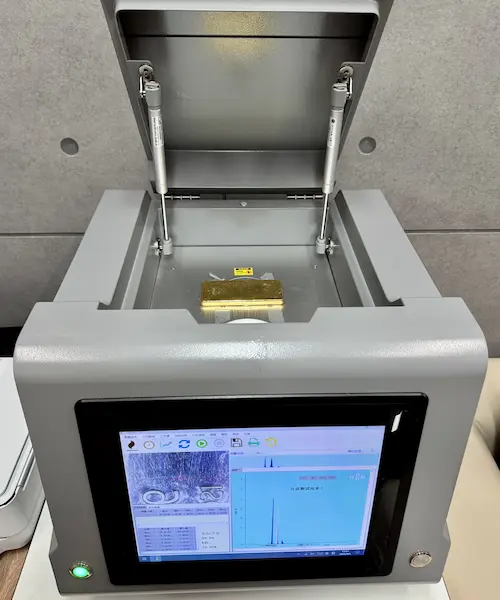
Bar Identification & Serial Control
Each gold bar is uniquely identified by its serial number, refinery mark, weight, and purity specification. These identifiers are recorded at the time of allocation and remain linked to the bar throughout its custody lifecycle. Serial control enables precise tracking, ownership confirmation, and reconciliation during audits.
Independent Physical Audits
Physical audits are conducted by independent inspection and verification firms. Audits confirm the presence, condition, and specifications of gold bars held in custody. Verification is performed without reliance on internal custody reporting and follows established bullion market inspection standards.
Documentation & Verification Records
Audit results are documented through formal reports, including barlists and verification statements. These records provide traceable confirmation of ownership and bar integrity and are used for reporting, transfers, and secondary market transactions.
Ongoing Access & Reporting
Verification data and custody records are maintained on an ongoing basis and updated following inspections or custody changes. This ensures that ownership information, audit status, and supporting documentation remain current and accessible for compliance, review, and operational use.
Track the Gold Spot Price
Real-time reference rate for physical gold across global exchanges. Updated live, 24 hours a day.
View Full Chart
Frequently asked questions
What types of gold bars are available for purchase?
Gold bars are available in standardized bullion formats defined by weight, purity, and market acceptance.
The most commonly used formats include 400 oz LBMA Good Delivery bars, 1 kg kilobars, and selected medium-weight bars such as 100 g, 250 g, and 500 g, subject to availability.
Each format serves a different commercial and custody purpose. Institutional buyers typically operate with 400 oz bars, while private and corporate allocations often use 1 kg formats due to flexibility and liquidity.
The most commonly used formats include 400 oz LBMA Good Delivery bars, 1 kg kilobars, and selected medium-weight bars such as 100 g, 250 g, and 500 g, subject to availability.
Each format serves a different commercial and custody purpose. Institutional buyers typically operate with 400 oz bars, while private and corporate allocations often use 1 kg formats due to flexibility and liquidity.
What is the difference between cast and minted gold bars?
What purity levels do gold bars have?
How are gold bars identified and verified?
What is the minimum volume required to buy gold bars?
Can gold bars be stored in professional vaults after purchase?
Is ownership allocated or pooled?
Can gold bars be inspected before or after purchase?
How are gold bars resold or liquidated?
Can gold bars be purchased using cryptocurrency?
Are gold bars insured while in custody?
What documentation is provided after purchase?
Which gold bar format is best for my requirements?